South Africa Invests R29.9 Million in Giyani Metals to Advance EV Battery Material Production and Regional Supply Chain
South Africa is intensifying its push into the electric vehicle (EV) battery value chain, providing additional financial backing to Giyani Metals as part of a broader strategy to establish a competitive foothold in the global energy transition.
The latest investment of R29.9 million (approximately $1.9 million) comes from the state-owned Industrial Development Corporation (IDC) and is aimed at advancing Giyani’s high-purity manganese sulphate monohydrate (HPMSM) demonstration plant in Johannesburg.
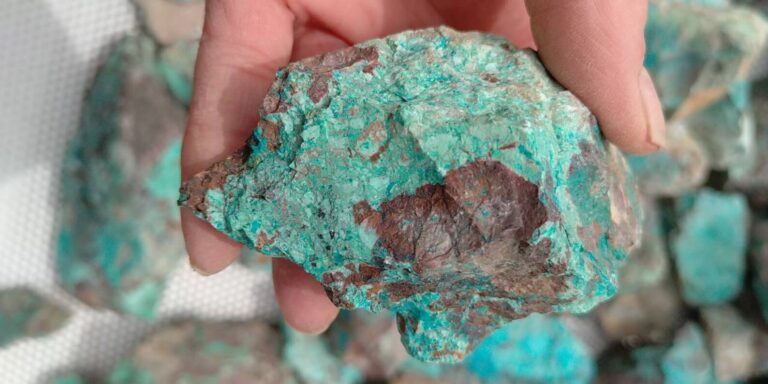
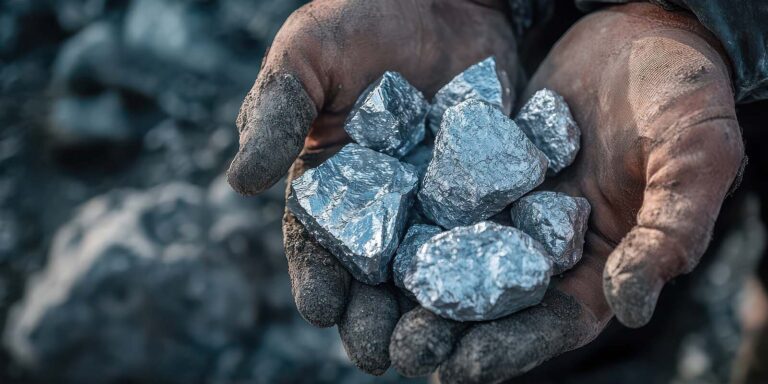
HPMSM is a critical precursor material used in the manufacture of cathode powders for lithium-ion batteries deployed in electric vehicles and stationary energy storage systems, making it a foundational component of the rapidly expanding green technology sector.
Funding Supports Scale-Up and Feasibility Planning
The additional funding increases the total IDC-backed loan facility to R329.9 million, enabling Giyani to integrate operational data from its demonstration facility into a definitive feasibility study (DFS) scheduled for completion in the second quarter of 2026.
These technical insights will be essential for scaling production and transitioning toward full commercial manganese processing.
Operational testing at the demonstration plant has already validated key process parameters, including reagent consumption, crystallisation performance, and large-scale process control.
This data will directly inform the design and development of future industrial facilities.
Building a Regional Battery Materials Hub
South Africa’s support for Giyani reflects a deliberate national policy shift toward developing domestic capabilities in battery materials manufacturing.
By investing in projects that produce high-purity, low-carbon battery inputs, the country aims to position itself as a regional hub for the EV supply chain while reducing reliance on imported materials.
A key component of this expansion strategy is the planned commercial-scale HPMSM facility at the K.Hill project in Botswana.
Once operational, the plant is expected to supply both regional and international battery manufacturers, strengthening Africa’s integration into global battery production networks.
Strategic Implications for Africa’s Energy Transition
Investments backed by institutions such as the Industrial Development Corporation are designed to stimulate industrial development, create skilled employment, and build technological capacity within the region. They also support Africa’s long-term ambition
to develop an integrated battery materials ecosystem spanning raw mineral extraction, chemical processing, and advanced manufacturing.
For the continent’s emerging EV market, initiatives like this signal a shift from resource export dependency toward value-added production, positioning Africa to capture a larger share of the economic value generated by the global transition to electric mobility and clean energy.
About the Author