Ghana Approves Ewoyaa Lithium Project, Positioning Itself as a Strategic Supplier to U.S. Battery Supply Chains
Ghana has officially entered the global lithium market after Parliament ratified the mining lease for the Ewoyaa Lithium Project on March 19, 2026.
The decision ends nearly three years of regulatory uncertainty that had delayed investment and raised concerns about the country’s competitiveness in the rapidly expanding battery minerals sector.
The approval grants Atlantic Lithium, an Australia- and United Kingdom-listed mining company focused on West Africa, exclusive rights through its local subsidiary to mine and process lithium in Ghana’s Central Region for an initial 15-year period, renewable under national law.
A Strategic Shift Toward Energy Transition Minerals
For Ghana, long recognized as one of Africa’s leading gold producers, the development signals a strategic shift toward minerals critical to the global energy transition.
Lithium is a core component in batteries used in electric vehicles, renewable energy storage systems, and advanced technologies.
The project is expected to attract significant international interest, particularly from investors linked to the Australian Securities Exchange, reflecting Australia’s growing influence in the global battery minerals value chain.
Under the agreement, the Ghanaian government will hold a 13% free-carried interest in the project, ensuring direct state participation without requiring upfront capital investment.
Balancing Revenue Generation and Investor Confidence
The fiscal framework of the mining lease is designed to balance government revenue objectives with long-term investor confidence.
Ghana will receive royalties on a sliding scale ranging from 5% to 12%, depending on global lithium prices.
This structure allows the state to benefit from price surges while preserving project viability during commodity market downturns an increasingly common model in critical minerals agreements.
Despite these provisions, the agreement faced opposition from Minority lawmakers, who argued that lithium represents a strategic national asset requiring careful long-term management.
Nonetheless, parliamentary ratification removes a major regulatory hurdle, enabling the company to advance financing negotiations and move closer to a final investment decision.
Economic Impact and Local Participation
The project has secured up to $16.4 million in funding from Ghanaian institutional investors and Long State Investments, reflecting growing domestic interest in lithium as a strategic resource.
For communities surrounding Ewoyaa, the approval is expected to revive local economic activity after months of stagnation caused by earlier regulatory delays, which had resulted in workforce reductions.
The construction and development phases are projected to generate employment opportunities and stimulate demand for local goods and services.
Africa’s Lithium Expansion and Global Supply Chain Dynamics
Ghana’s entry into the lithium market mirrors a broader trend across Africa, where countries such as Zimbabwe, Namibia, and the Democratic Republic of the Congo are expanding lithium and other battery mineral projects to capture greater value within global supply chains.
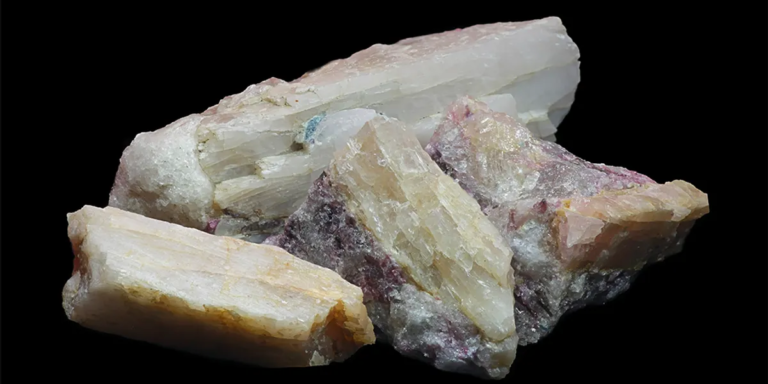
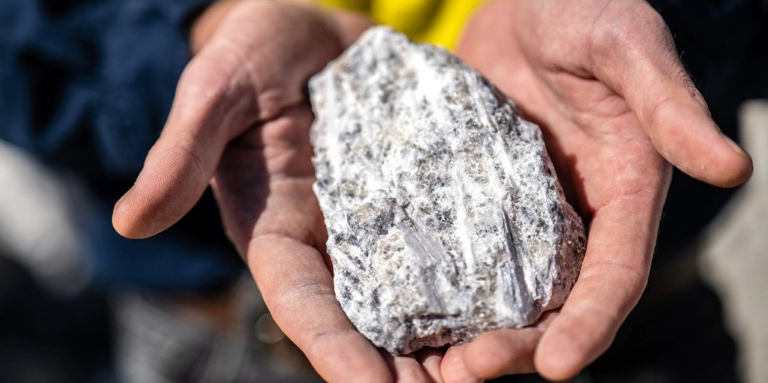
The Ewoyaa mine is expected to produce approximately 3.6 million tonnes of spodumene concentrate over a 12-year period, positioning it among the largest lithium developments currently underway on the continent.
Notably, the project is also considered one of the few African lithium operations aligned with Western supply chains, including potential exports to the United States.
Many comparable projects across the region are financed by Chinese investors, highlighting Ewoyaa’s strategic importance in efforts to diversify global battery mineral supply sources.
A Turning Point in Ghana’s Resource Strategy
As global demand for battery minerals accelerates, the approval of the Ewoyaa project marks a turning point in Ghana’s natural resource strategy.
By expanding beyond gold into critical minerals, the country is positioning itself as an emerging player in the evolving global energy transition economy.
The success of the project will depend on sustained regulatory stability, transparent governance, and the ability to translate mineral resources into long-term economic value for both investors and local communities.
About the Author