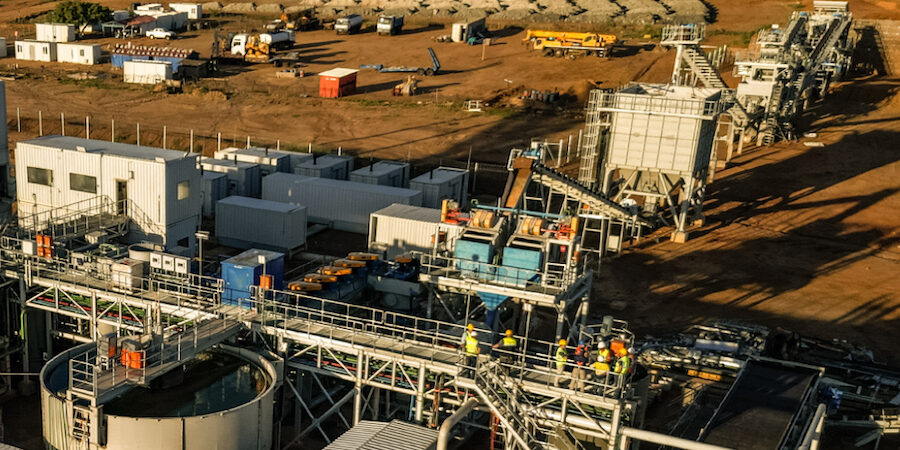
Germany’s BGR visits NextSource Materials’ Molo graphite mine in Madagascar to assess supply potential for EU critical raw materials strategy
A technical delegation from Germany’s Federal Institute for Geosciences and Natural Resources (Bundesanstalt für Geowissenschaften und Rohstoffe (BGR)) visited NextSource Materials’ Molo graphite mine in Madagascar this week.
The visit forms part of an independent BGR study examining graphite production capacity and supply potential in the country.
The BGR team showed particular interest in evaluating Molo alongside more established graphite operations in Madagascar.
The mine is being assessed as a benchmark asset and a potential supplier of natural graphite and anode material to Germany.
This reflects Germany’s broader strategic focus on securing critical raw materials for its industrial base, European battery supply chains, and long-term energy security.
The study is being conducted with the approval and support of Madagascar’s Ministry of Mines (Ministry of Mines of Madagascar), and its findings will be submitted to Germany’s Federal Ministry for Economic Cooperation and Development (German Federal Ministry for Economic Cooperation and Development (BMZ)).
NextSource notes that, similar to the United States and Canada, Germany has placed critical raw materials at the centre of its industrial policy and energy security strategy.
Natural graphite is listed on the European Union’s Critical Raw Materials list, and the German government has committed substantial funding toward supply diversification.
This includes a €1-billion raw materials fund managed by KfW, Germany’s state development bank, which provides minority equity investments of up to €150 million in qualifying upstream mining and processing projects.
In addition, Germany is part of a coordinated €2.5-billion critical minerals investment framework alongside France and Italy.
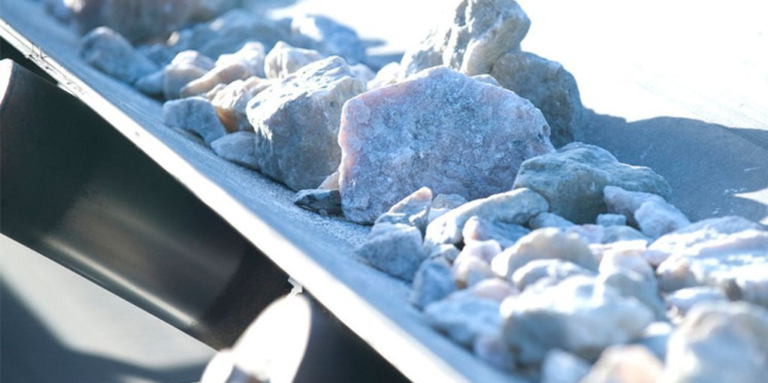
According to NextSource, Molo is among the few sources of high-quality natural flake graphite outside China currently in production, positioning it as strategically aligned with Germany’s efforts to secure resilient and diversified supply chains for critical battery materials.
About the Author