Blencowe’s Uganda Graphite Successfully Tested in US Hypersonic Rocket Programme
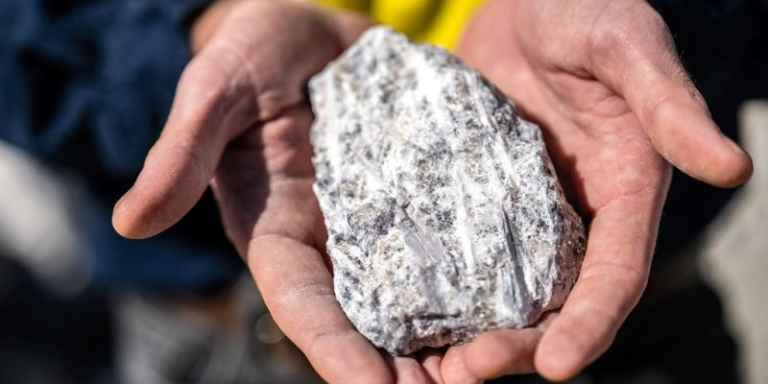
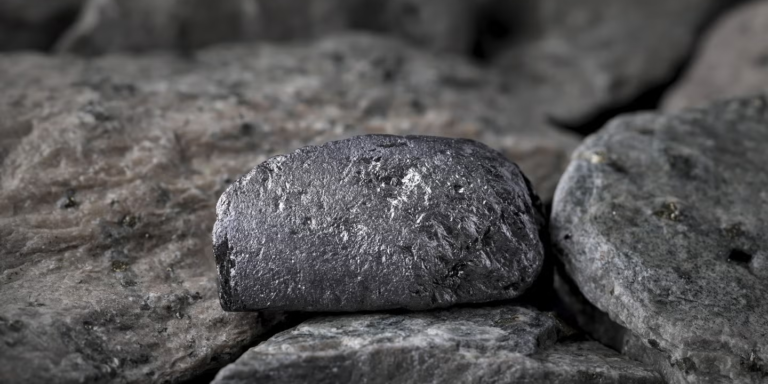
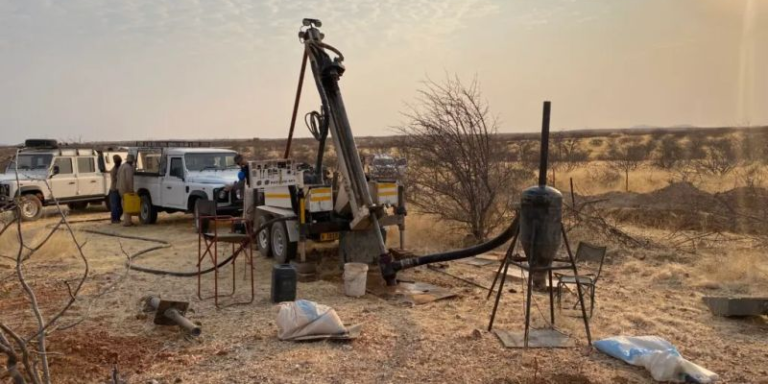
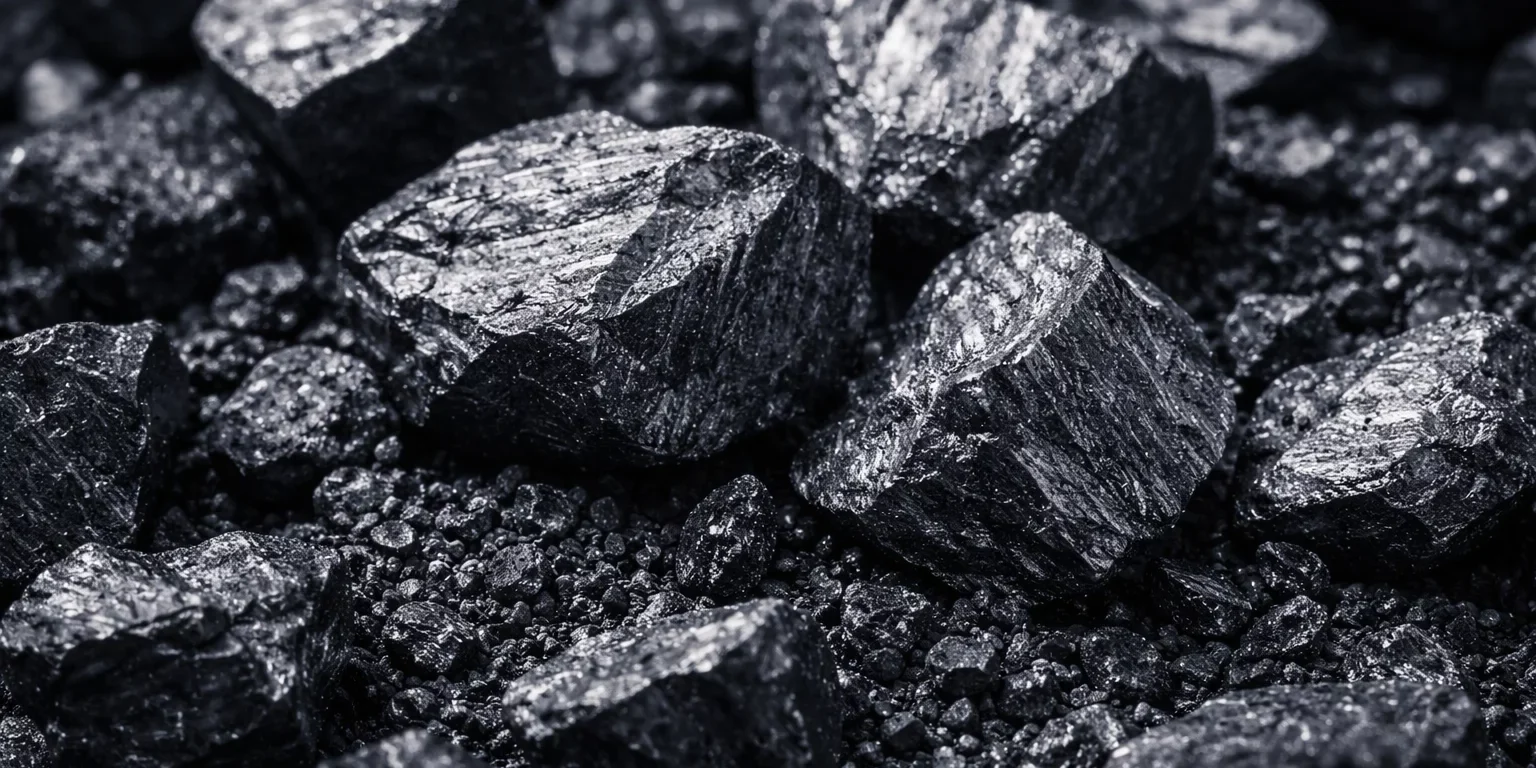
Blencowe Resources has announced a major milestone for its Orom-Cross graphite project in Uganda after graphite concentrate from the project was successfully used in a US rocket component testing programme.
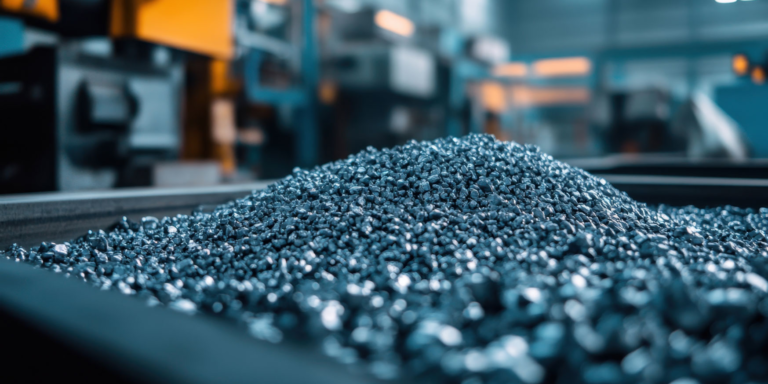
The graphite material was tested in high-temperature rocket propulsion applications by American Energy Technologies Company (AETC), a manufacturer of moulded components used in rocket propulsion nozzles.
The programme aimed to evaluate whether Orom-Cross graphite could partially replace synthetic graphite commonly used in aerospace and defence applications.
Initial rocket test firings were successfully completed, with early observations indicating encouraging performance under extreme high-temperature conditions.
Data collected during the tests is currently being analysed by the participating organisations.
The testing programme involved collaboration with Pluto Aerospace on its hypersonic suborbital rocket platform.
Representatives from Purdue University, several US government agencies, and Blencowe COO Iain Wearing attended the recent test firing programme.
Blencowe executive chairperson Cameron Pearce described the tests as an important validation step for the company’s graphite product, particularly in specialist defence, aerospace, and advanced energy applications.
According to Pearce, demonstrating the performance of Orom-Cross graphite in live rocket testing conditions highlights the project’s potential to access higher-value commercial markets beyond traditional graphite concentrate sales.
Further testing phases are already planned, including orbital testing expected in the second half of 2026.
Blencowe believes these developments could strengthen future offtake opportunities and enhance the long-term commercial value of the Orom-Cross project.
In parallel with the rocket nozzle tests, AETC has also been evaluating graphite-based coatings for rocket fin components.
These coatings are being tested for durability under hypersonic conditions as well as for icephobic performance the ability to resist ice formation and reduce ice adhesion.
The technology could have wider applications in both military and civilian aerospace industries, particularly in aircraft operating in extreme environments.
While detailed analysis of the test data is still ongoing, early performance results have been described as highly encouraging, further positioning Orom-Cross graphite as a promising material for advanced aerospace and defence technologies.
About the Author