U.S. DFC Proposes Equity Deal with Syrah Resources to Strengthen Graphite Supply from Mozambique’s Balama Mine
The U.S. International Development Finance Corporation (DFC) has announced a strategic investment proposal in Syrah Resources, an AustralianSuper-backed firm that owns the Balama graphite mine in Mozambique and the Vidalia Active Anode Material (AAM) processing facility in the United States.
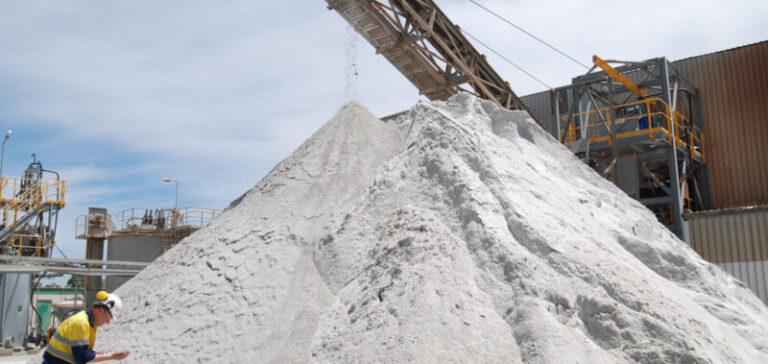
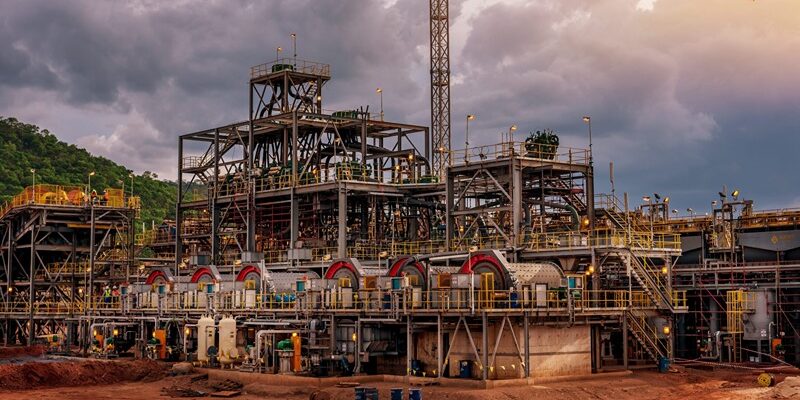
The Balama operation, located in northern Mozambique, hosts one of the world’s largest natural graphite reserves and plays a key role in global supply chains for battery materials and critical minerals.
Under the proposed transaction, DFC has outlined an innovative liability management structure that would initially convert a portion of its existing loan to the Balama project into common equity in Syrah. The remaining balance of the loan would be restructured into a convertible loan note (CLN) issued by the company.
In addition to restructuring existing debt, DFC plans to inject new capital into Syrah to provide immediate liquidity for operations at the Balama mine.
The agency expects this fresh funding to mobilize more than five times its value from private investors, strengthening the company’s financial position and supporting ongoing production.
As part of the proposed arrangement, DFC would also receive warrants granting the right to acquire additional equity in Syrah and retain the option to provide further convertible loan financing to cover potential operational contingencies at Balama.
If completed, the transaction would mark the first time DFC has received a convertible loan note issued by a publicly listed company.
It would also create a pathway for the agency to convert its remaining debt holdings into equity, positioning DFC as a long-term shareholder in a strategically significant mining and processing business.
“In today’s era of global competition, economic security is national security,” said Ben Black, CEO of DFC.
“With this transaction, we will secure U.S. access to one of the largest graphite reserves in the world, support jobs in the United States and allied nations, and sustain an important hub of economic activity for the people of Mozambique.”
According to AustralianSuper, a major investor in Syrah, the global critical minerals sector remains a strong long-term investment theme.
The fund confirmed it has supported Syrah since 2015 and welcomed the coordinated investment proposals from DFC and the United States Department of Energy aimed at strengthening the company’s future growth.
The Balama mine is considered a strategic supplier of natural graphite to the United States and allied economies. Its output feeds into Syrah’s downstream processing facility in Vidalia, which is the first large-scale natural graphite anode material plant of its kind in the United States.
Using graphite sourced from Balama, the Vidalia facility is designed to produce high-performance anode materials for lithium-ion batteries used in electric vehicles, energy storage systems, and advanced manufacturing technologies.
The project is also expected to support the development of critical mineral processing capabilities across allied economies, including Australia, Japan, and South Korea, reinforcing supply chain resilience in the global battery and energy transition sectors.
The announcement builds on cooperation between the United States and Australia under the U.S.–Australia Critical Minerals Framework Agreement signed by former U.S. President Donald Trump and Australian Prime Minister Anthony Albanese.
Strengthening access to diversified critical mineral supply chains remains a central pillar of DFC’s investment strategy, as demand for minerals such as graphite continues to grow across advanced technology, renewable energy, and defense industries.
The agency noted that its strategic funding proposal for Syrah and its subsidiaries remains non-binding and is subject to due diligence, negotiation of financing terms, and approval from relevant government authorities and corporate stakeholders.
About the Author