Tanzania Eyes Strategic Role in Africa’s Rare Earth Minerals Industry
Tanzania could be moving closer to becoming a major player in Africa’s fast-growing critical minerals sector following the discovery of rare earth element deposits in the country’s southern highlands.
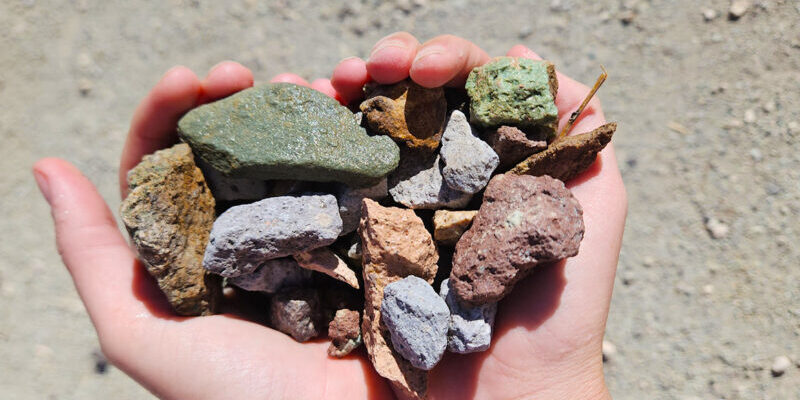
The newly identified deposits, located in Mkiu Village in Ludewa District, Njombe Region, contain Neodymium (Nd) and Praseodymium (Pr) two strategic rare earth minerals essential for the production of electric vehicles, wind turbines, smartphones, defence systems, and renewable energy technologies.
The discovery comes at a time when global demand for critical minerals is accelerating as countries and corporations race to secure supply chains needed for the clean energy transition.
According to The Citizen Tanzania, Resident Mining Officer Engineer Lucas Mlekwa said the deposits were identified during ongoing exploration activities in the region.
China Expands Presence in Tanzania’s Rare Earth Sector
Exploration efforts are being carried out through cooperation between the Tanzanian government and Chinese company Hongji Mining Co. Ltd, highlighting China’s expanding footprint in Africa’s strategic minerals industry.
China currently dominates the global rare earth supply chain, controlling a significant share of the world’s processing and refining capacity used in advanced manufacturing and clean energy technologies.
Chinese firms have steadily increased investments across Africa as competition for critical minerals intensifies.
Although Tanzania is not yet considered one of Africa’s leading rare earth producers, the latest discovery strengthens the country’s ambitions to expand its critical minerals portfolio, which already includes graphite, nickel, gold, and natural gas.
Africa’s established rare earth producers include South Africa and Madagascar, both home to major rare earth and mineral sands projects.
Burundi and Malawi have also attracted increasing international attention due to ongoing exploration activities.
However, Tanzania’s latest discovery could position the East African nation as an emerging contender in the sector if further assessments confirm the deposits are commercially viable for large-scale extraction.
Engineer Mlekwa said authorities are currently evaluating the size, quality, and economic potential of the deposits ahead of possible large-scale investment and future export development.
About the Author