Zimbabwe Justifies Lithium Export Ban to Curb Mineral Leakages and Boost Local Processing
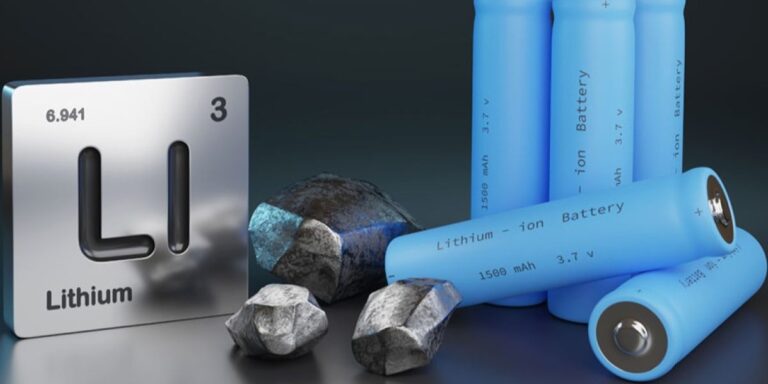
Zimbabwe’s government has defended its recent decision to suspend lithium concentrate exports, citing widespread malpractice and revenue leakages within the mining sector.
Speaking after a Cabinet briefing in Harare, Mines Minister Polite Kambamura said authorities had uncovered significant under declaration of mineral exports by mining companies, prompting the government to fast-track a ban that had originally been planned for next year.
According to the minister, the scale of irregularities forced the administration to act earlier than scheduled as lithium production increased and more export permits were being issued.
“The ban will remain in effect until the government’s conditions and expectations are met,” Kambamura told reporters, adding that global lithium prices reacted quickly to the announcement. “After the announcement, prices were reviewed upwards just because of one word from the government of Zimbabwe.”
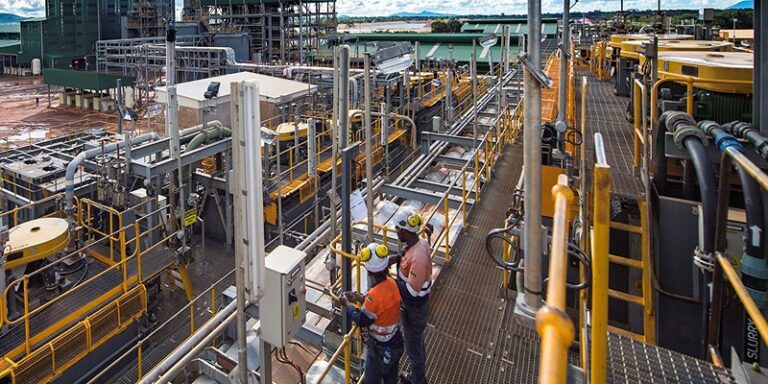
Zimbabwe has rapidly become a key supplier of lithium concentrate to Chinese refineries following billions of dollars in investments by companies including Sinomine Resource Group, Zhejiang Huayou Cobalt, and Chengxin Lithium Group, according to reports by Bloomberg.
The government’s move reflects a broader trend across Africa, where mineral-rich countries are increasingly pushing mining companies to process and refine resources domestically in order to capture greater economic value.
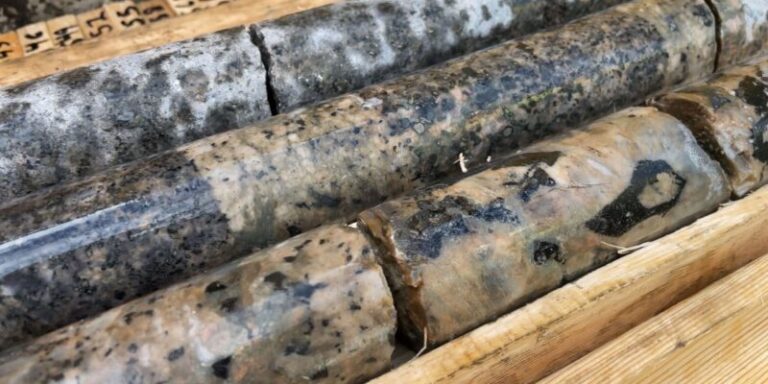
Kambamura also emphasized the complexity of Zimbabwe’s mineral deposits, noting that many ore bodies contain multiple valuable elements. For example, deposits containing lithium are often found in pegmatite formations, while others may include valuable Platinum Group Metals.
Under the new policy, the export ban covers lithium concentrates as well as other raw or unprocessed minerals that have not undergone value addition within the country.
Earlier this month, Zimbabwe’s Ministry of Mines announced the immediate and indefinite suspension of exports of raw minerals and lithium concentrates.
In a statement seen by Reuters, the ministry said the measure was taken to safeguard national interests and improve oversight of mineral exports.
“Government expects cooperation of the mining industry on this measure, which has been taken in the national interest,” the statement said.
Officials added that export procedures will be reviewed to address “continued malpractices during the exportation of minerals” and to strengthen compliance, accountability, and efficiency in the management of Zimbabwe’s mineral resources.
About the Author