Zambia Blocks Draft Regulation Seeking 15% Free-Carried State Interest in Copper and Critical Mineral Projects
Zambia’s Presidency has dismissed proposed regulations that would grant the government a minimum 15% free-carried, non-dilutable stake in mining companies producing copper and other critical minerals.
The draft statutory instrument proposes that the state hold at least 15% ownership in any mining operation involving a critical mineral—without paying for the stake.
It also outlines a mechanism through which government participation could rise to 40%, achieved by forfeiting dividends and offering tax concessions rather than making cash payments.
If implemented, the proposal could alarm mining companies that have collectively committed around $10 billion in new investments to expand copper production in Africa’s second-largest copper producer.
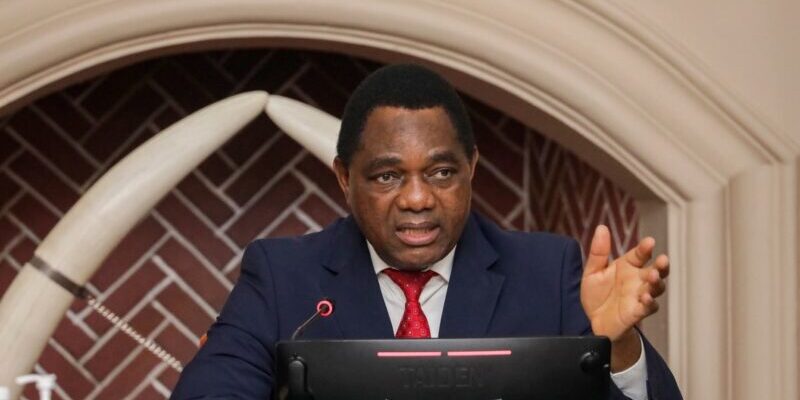
The measure also runs counter to President Hakainde Hichilema’s efforts to present Zambia as a stable and attractive destination for international investment, particularly as he aims to more than triple copper output in the coming years.
“From the view of the Presidency, it’s not something that will be brought to fruition, because we do not support it,” said Jito Kayumba, Hichilema’s special assistant for finance and investment, during an interview in Johannesburg. “Government has no desire to take a free carry or any consideration without there being any financial consideration.”
The draft regulations, developed by the Ministry of Mines, would also classify cobalt, nickel, manganese and other minerals as “critical,” granting the state preemptive rights to purchase all domestically sold production.
Hapenga Kabeta, permanent secretary at the ministry, said internal and industry consultations are ongoing. The regulations will be refined based on feedback, with hopes of finalizing them before year-end. “Those are merely ideas,” Kabeta said, referring to the free-carry provision.
Since taking office in 2021, President Hichilema has focused on unlocking stalled mining projects and improving investor confidence after years of shifting tax policies and disputes with operators. Zambia is on track to produce a record volume of copper this year amid elevated global prices.
The political landscape, however, is becoming more complex. With general elections scheduled for August, public frustration is rising due to a drought-induced power crisis that has left many households with only three hours of electricity per day.
The Minerals Regulation Act of 2024 empowers the mines minister to issue regulations defining the extent of state participation in the production of critical or strategic minerals—though the Presidency has now made clear that free-carried stakes will not be part of that framework.
About the Author