Cobalt Prices Soar 130% in 2025: Economic Implications and Opportunities for Zambia
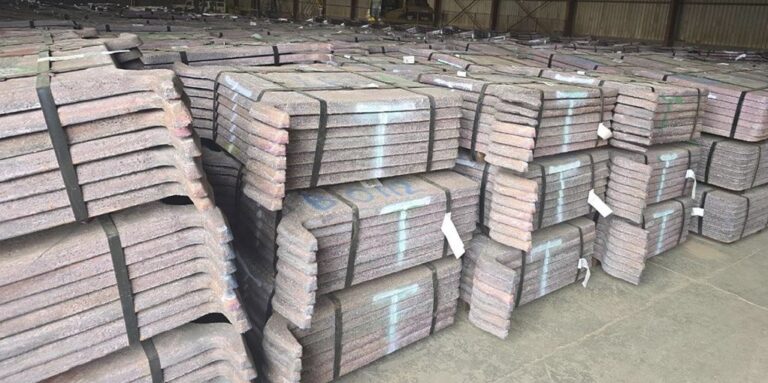
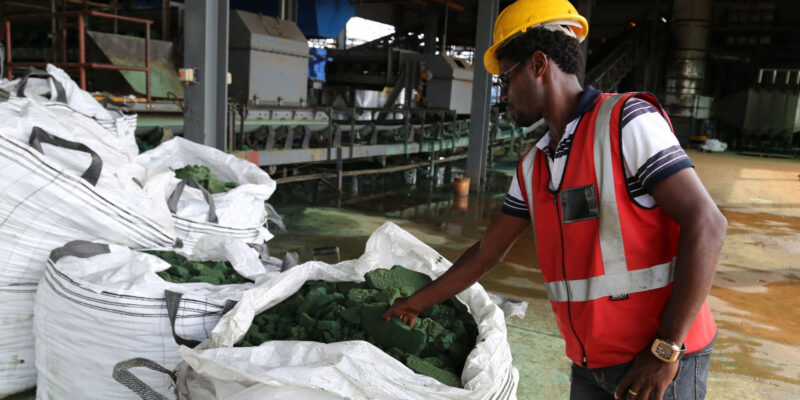
Cobalt prices have surged by approximately 130% since early 2025, reaching over US$56,200 per tonne. This spike is primarily a supply-driven shock rather than a structural shift in the global cobalt market.
The rally has been largely triggered by policy and regulatory restrictions in major producing countries, which have tightened supply in an already highly concentrated market.
When supply is constrained administratively, prices often react sharply and can overshoot in the short term.
From a fundamentals perspective, global cobalt demand remains supported by the energy transition, particularly in high-performance batteries, aerospace, and defence applications.
However, demand growth is no longer as rapid as previously projected, due to the accelerated adoption of cobalt-reduced and cobalt-free battery chemistries. This creates natural limits on how long extreme price levels can be sustained.
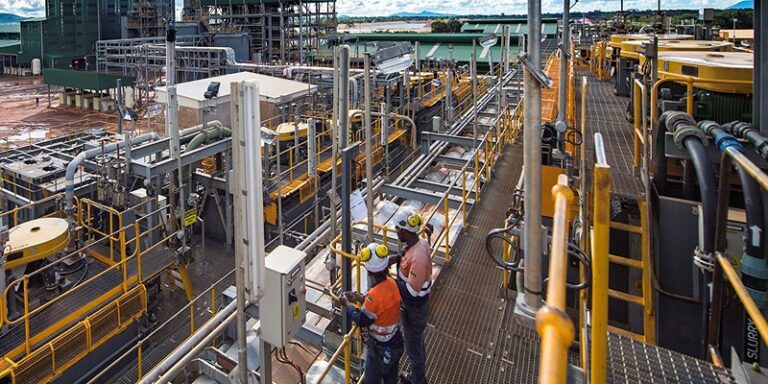
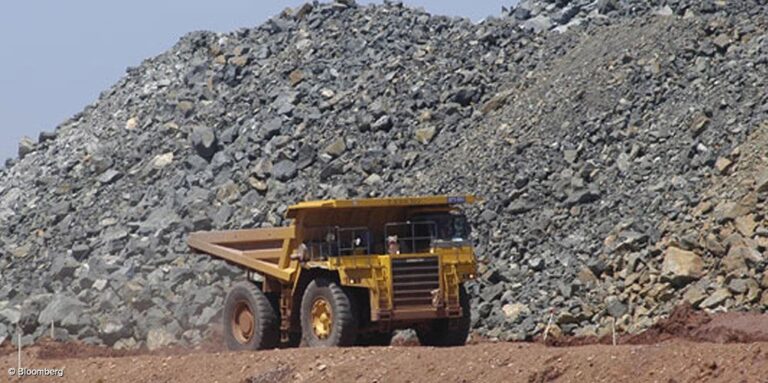
For Zambia, the price increase is economically significant. The country produces cobalt largely as a by-product of copper mining, especially in the Copperbelt region.
Higher cobalt prices improve mine profitability, support employment, and enhance investment viability in the broader copper sector.
At the macroeconomic level, Zambia benefits from stronger export earnings, increased foreign exchange inflows, improved fiscal revenues, and potential short-term appreciation of the kwacha.
Strategically, this price rally strengthens Zambia’s case for value addition and integration into regional critical-mineral supply chains.
However, these gains should be viewed as a temporary window of opportunity. The key policy challenge is converting short-term windfalls into long-term economic resilience.
This requires building fiscal buffers, maintaining investor confidence, and accelerating economic diversification, rather than relying on volatile commodity prices.
About the Author