Southern Africa Must Attract More Investment in Critical Minerals to Drive Global Clean Energy, WEF Report Finds
A new report from the World Economic Forum (WEF) emphasizes the urgent need to unlock investment in Southern Africa’s critical minerals to meet rising global demand for clean energy and low-carbon technologies.
Launched on August 29, the report identifies key financing gaps in the region and showcases concrete case studies that can guide efforts to accelerate investment, support inclusive local growth, and position Southern Africa as a cornerstone of the global energy transition.
Produced in collaboration with the Development Bank of Southern Africa (DBSA), with McKinsey & Company as knowledge partner, and under the WEF’s Securing Minerals for the Energy Transition (SMET) initiative, the report focuses on ten countries:
Angola, Botswana, the Democratic Republic of Congo (DRC), Madagascar, Mozambique, Namibia, South Africa, Tanzania, Zambia, and Zimbabwe.
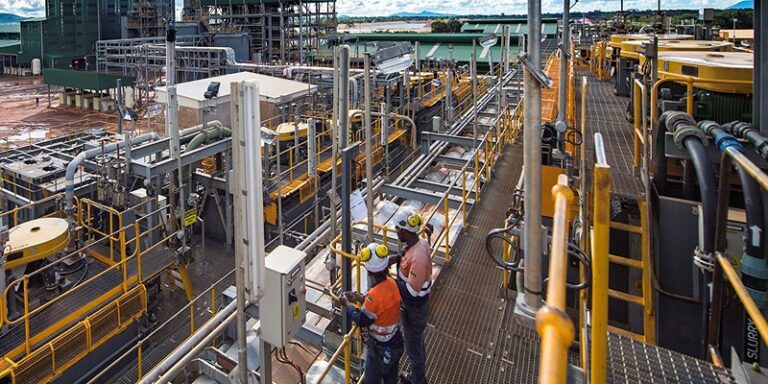
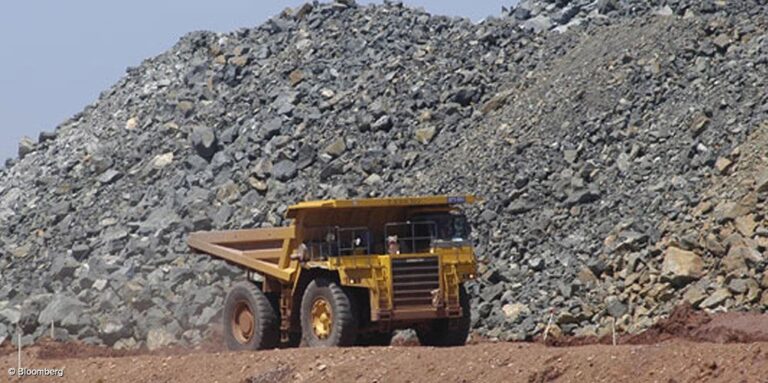
According to the WEF, sub-Saharan Africa holds nearly 30% of the world’s known reserves of critical minerals—including copper, cobalt, lithium, graphite, manganese, chromium, vanadium, and platinum group metals—all essential for low-carbon technologies.
Yet, Africa currently attracts less than 10% of global exploration spending, highlighting a stark gap between potential and capital flows.
“Southern Africa has the mineral reserves the global energy transition urgently needs, but finance flows are not keeping pace,” says Jörgen Sandström from the WEF Centre for Energy and Materials. “Our research not only quantifies the gap but also identifies practical ways to close it.
Unlocking this potential sustainably is critical for both regional prosperity and global energy security.”
DBSA CEO Boitumelo Mosako adds: “Africa must actively shape its own development path. If extraction continues as in the past, the continent risks missing the opportunity to turn its mineral wealth into lasting socioeconomic transformation.”
The report identifies eight core financing barriers: policy uncertainty, investment risks, energy access, transportation bottlenecks, innovation lag, pace of industrialization, skill gaps, and demand volatility. It also highlights replicable solutions through regional case studies.
Key examples include:
Lobito Corridor (DRC & Zambia): A railway-focused project linking mineral-rich areas to Angola’s Port of Lobito, backed by the EU, U.S., Angola, and DBSA.
Upgrades to existing rail lines and an 800 km extension aim to ease bottlenecks and promote regional trade.
Namibia’s Green Iron Initiative: Africa’s first industrial-scale green iron facility, powered entirely by renewables, using solar, battery storage, and the region’s largest electrolyser to produce green hydrogen for zero-emissions iron.
Production is set to scale from 15,000 t/y to 2 million t/y by 2030, supported by the EU-Namibia Green Hydrogen Partnership.
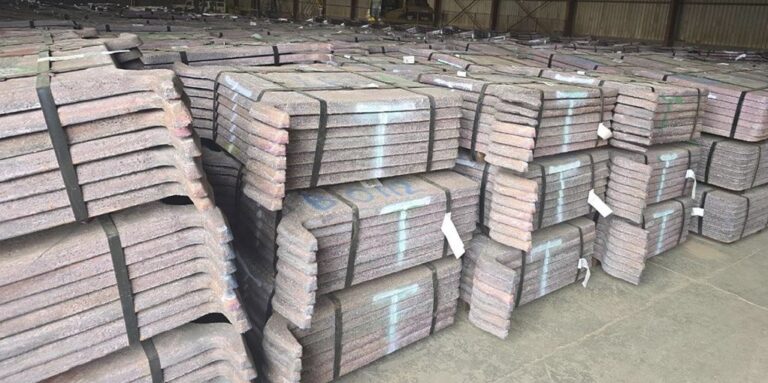
Zambia Mining Policy Reform: Zambia, producing 700,000 t/y of copper (3% of global output), is implementing reforms to boost investor confidence and local participation.
Copper production is projected to reach 1 million tonnes by 2026, with a national target of 3 million tonnes by 2031.
The WEF report concludes that sustainable investment, regional infrastructure, and policy reforms are critical to unlock Southern Africa’s mineral potential, driving both local economic growth and the global energy transition.
About the Author