UK Government Launches Critical Minerals Strategy to Secure Lithium, Copper, and Rare Earth Supply by 2035
The UK Government has launched a new critical minerals strategy aimed at reducing the country’s reliance on imported minerals and strengthening domestic supply chains.
Unveiled by Prime Minister Keir Starmer, the plan targets meeting at least 10% of the UK’s mineral demand through domestic production and 20% through recycling by 2035.
The strategy also aims to limit import exposure, ensuring that no more than 60% of any single critical mineral is sourced from one country. To support the initiative, the government has committed up to £50 million in funding for critical minerals projects.
China currently dominates critical mineral supply chains, accounting for roughly 70% of rare earth mining and about 90% of refining, leaving the UK heavily dependent on a small number of foreign sources for materials essential to technologies such as electric vehicles, wind turbines, smartphones, and defense equipment.
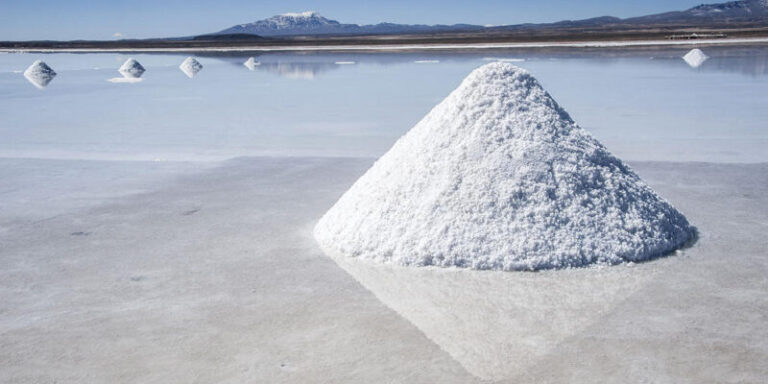
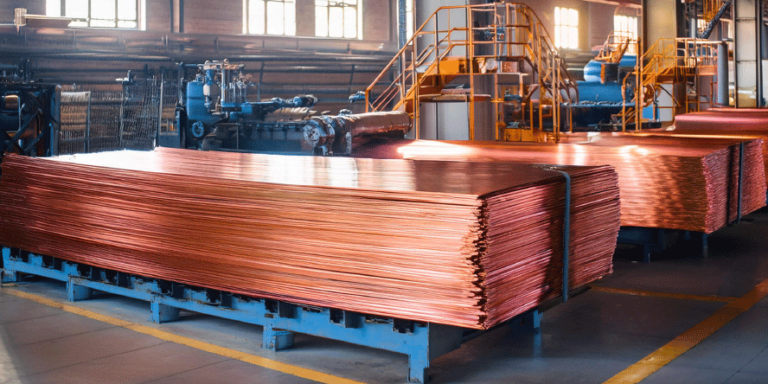
Lithium is a key focus of the strategy, with a domestic production target of at least 50,000 tonnes within the next decade. Lithium demand in the UK is projected to rise by 1,100% by 2035, while copper demand is expected to nearly double.
Prime Minister Starmer said:
“Critical minerals are the backbone of modern life and our national security. For too long, Britain has depended on a handful of overseas suppliers, leaving our economy and security exposed to global shocks.
This strategy boosts domestic production, ramps up recycling, and backs British businesses to compete globally and reduce costs at home.”
The government has already invested more than £165 million in UK critical minerals companies. Combined with support from the National Wealth Fund, UK Export Finance, and other public finance sources, the new strategy is expected to accelerate sector growth and strengthen the UK’s position in global mineral supply chains.
Industry Minister Chris McDonald added:
“We need critical minerals for everything from the phones we use to the cars we drive. This strategy strengthens supply chains, increases domestic production, and backs businesses to create new jobs and drive growth.”
Beyond domestic production, the UK will explore stockpiling options, including through defense procurement and participation in NATO’s Critical Mineral Stockpiling project.
Critical minerals currently contribute £1.79 billion to the UK economy and support more than 50,000 jobs, with over 50 extraction and refining projects underway.
Industry Response
Mining and processing companies have welcomed the new strategy as a framework to unlock investment and accelerate domestic projects.
Cornish Lithium CEO Jamie Airnes said:
“We welcome the UK Government’s Critical Minerals Strategy. It provides a clear framework to accelerate domestic production, unlock investment, and build strategic partnerships.
Securing a domestic supply of critical minerals, including lithium, will create high-quality jobs, strengthen supply chain resilience, and support key UK manufacturing sectors.”
About the Author