Trump Administration Adds Uranium, Copper, and Silver to U.S. Critical Minerals List to Boost Domestic Supply
The United States has added uranium, copper, and silver to its official list of critical minerals, as the Trump administration expands its definition of commodities essential to the U.S. economy and national security.
The updated U.S. Geological Survey (USGS) list, published on the government’s website, also includes metallurgical coal, potash, rhenium, silicon, and lead, replacing the previous 2022 version.
The revised list will shape the scope of the administration’s ongoing Section 232 investigation into processed critical minerals and derivative products, launched in April 2025.
The probe could result in tariffs and trade restrictions, as the White House seeks to reduce dependence on foreign sources for materials crucial to defense, infrastructure, and technology.
President Donald Trump has made strengthening domestic mineral supply chains a key policy goal, citing the risks of overreliance on imports for strategic materials.
The updated list also guides federal investment priorities, including funding for mining projects, mineral processing, and resource recovery from mine waste. It further supports initiatives related to tax incentives, strategic stockpiles, and streamlined permitting for mining operations.
Industry groups had long advocated for the inclusion of certain materials particularly copper and potash arguing they are vital to manufacturing, agriculture, and the clean energy transition.
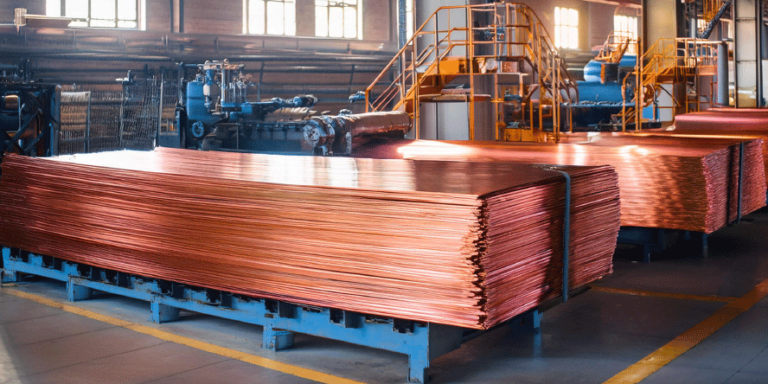
The U.S. currently imports about half of its copper mainly from Chile, Peru, and Canada while Canada supplies roughly 80% of potash used domestically.
The addition of silver to the list has drawn mixed reactions from precious metals traders and manufacturers. While its inclusion underscores silver’s strategic importance in electronics, solar panels, and medical devices, it also raises concerns about potential tariffs that could disrupt global metals markets, given the U.S.’s heavy reliance on imports.
By broadening the list, the administration aims to secure supply chains, attract domestic investment, and position the U.S. as a global leader in resource independence amid growing geopolitical competition for critical minerals.
About the Author