U.S. and Indonesia Discuss Critical Mineral Trade, Tariff Cuts, and Strategic Export Controls
The United States and Indonesia are advancing discussions on joint efforts to monitor and manage the trade of critical Indonesian minerals with strategic value, Indonesia’s Chief Economic Minister Airlangga Hartarto said on Thursday.
Indonesia is among a select group of countries that have secured a preliminary agreement with Washington to reduce U.S. tariffs ahead of an August 1 deadline.
As part of what the White House describes as a “negotiating framework agreement,” tariff rates on certain Indonesian products have already been reduced from 32% to 19%.
However, Hartarto clarified that the two nations are still engaged in ongoing talks about establishing a system to regulate trade in key dual-use commodities—materials that serve both civilian and military purposes.
“Strategic trade management is essential for ensuring transparency between both parties, so that imports and exports of dual-use goods with strategic importance can be properly monitored,” Hartarto said during a recent briefing.
He emphasized that these strategic commodities include materials used in artificial intelligence infrastructure, data centers, aviation, aerospace, and space industries.
“The United States wants to make sure these critical components do not fall into the wrong hands, including those who might use them for terrorism or other harmful purposes,” he added.
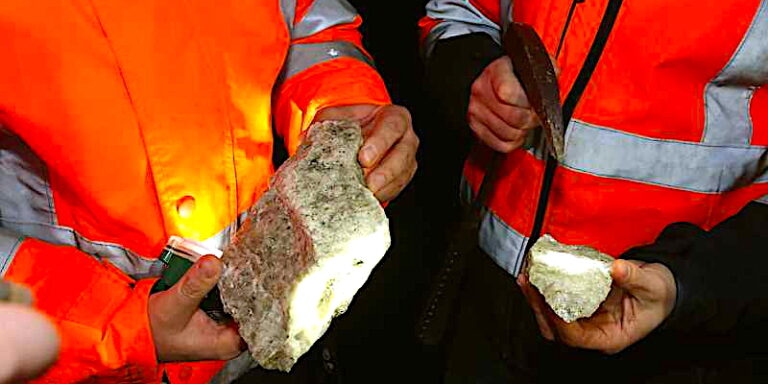
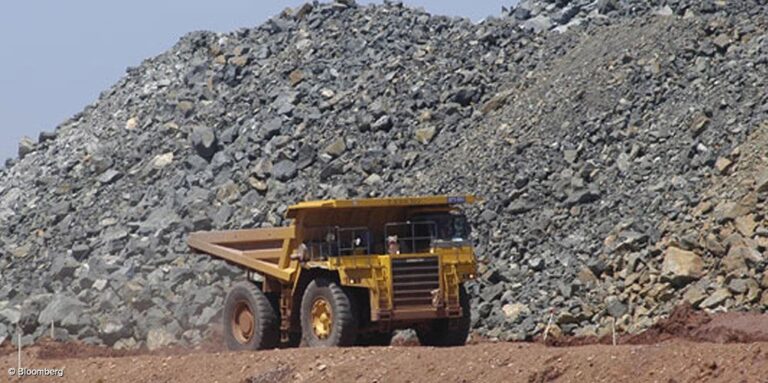
Indonesia, the largest economy in Southeast Asia and a nation rich in natural resources, holds substantial reserves of critical minerals and rare earth elements.
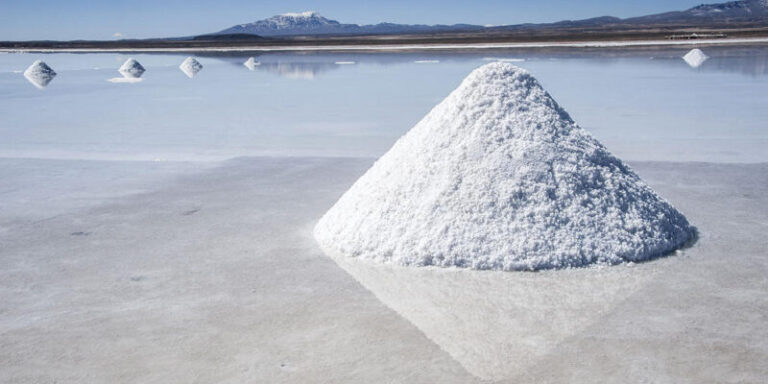
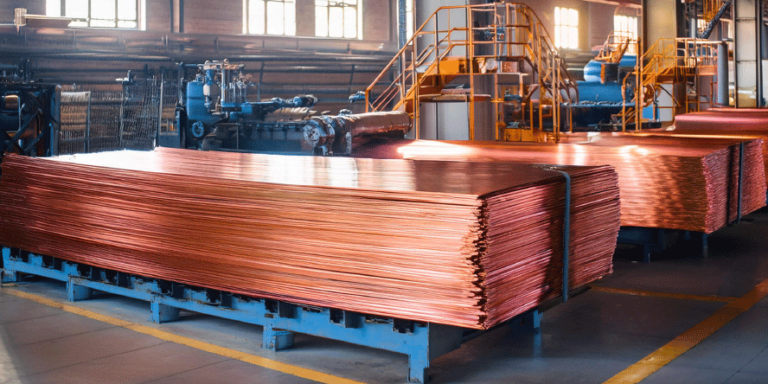
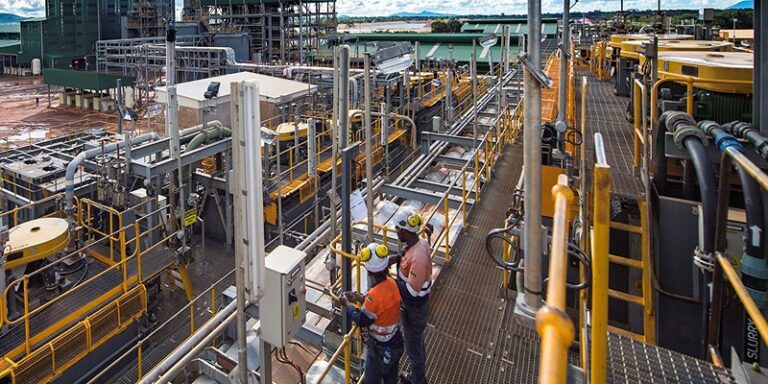
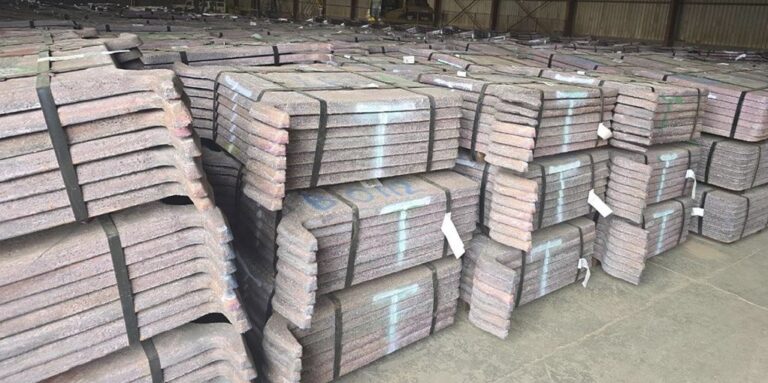
It is the world’s largest producer of nickel products, the top exporter of tin, and a major source of copper. However, Chinese companies currently dominate processing operations for nickel and bauxite within Indonesia.
Hartarto also noted that further negotiations are underway to potentially lower U.S. tariffs on more Indonesian commodities, possibly reducing them to near zero—particularly on goods that the U.S. cannot produce domestically.
In addition, the two countries are working to define rules of origin and clarify the role of third-party vendors in order to determine eligibility for the reduced tariff rates available under the agreement.
About the Author