Trafigura Ships Low-Carbon Copper Anodes from Kamoa-Kakula to Aurubis via Lobito Atlantic Railway
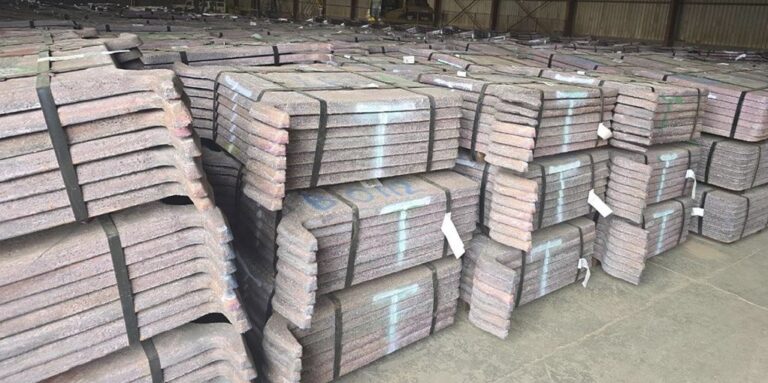
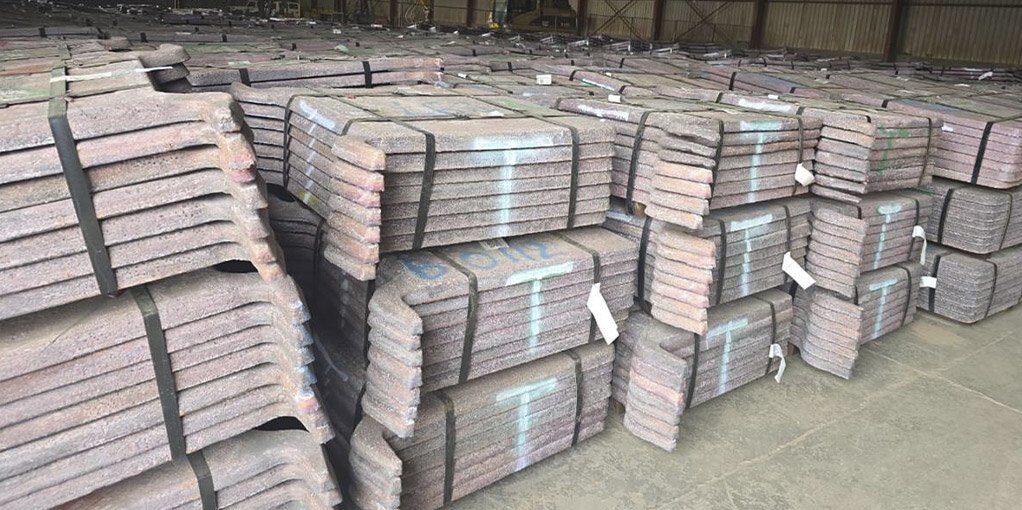
Trafigura has completed the first sale of low-carbon-intensive copper anodes produced by Kamoa Copper to the Aurubis AG, marking a significant milestone in the development of one of the world’s lowest-carbon refined copper supply chains.
The initial shipment was delivered to Trafigura’s dry port facility in Kolwezi, Democratic Republic of the Congo (DRC), and will be transported via the Lobito Atlantic Railway to the Port of Lobito in Angola. From there, the cargo will be shipped to Aurubis’ European refining facilities.
The Lobito route provides the shortest rail link from Kolwezi to an African export port, reducing inland transit time to approximately seven days and enhancing supply chain efficiency.
Low-Carbon Smelting at Kamoa-Kakula
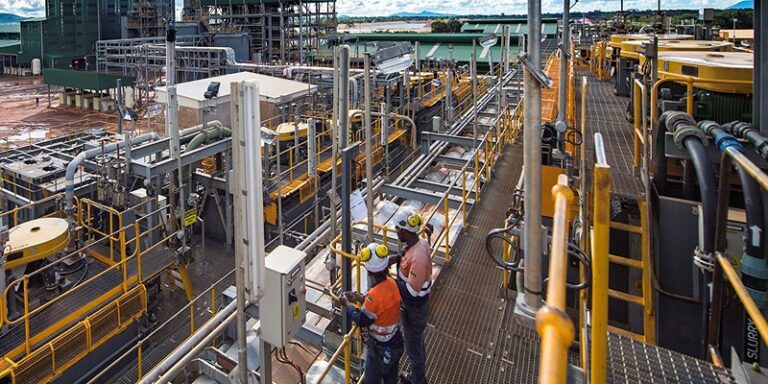
The copper anodes were produced at the recently commissioned smelter at the Kamoa-Kakula Copper Complex, which incorporates advanced direct-to-blister smelting technology supplied by Metso Outotec.
The complex has been independently assessed by Skarn Associates and WSP Group as the world’s lowest carbon-emitting major copper mine.
Once fully ramped up, the smelter is expected to produce up to 500,000 tonnes per year of 99.7%-pure copper anode, making it the largest copper smelter in Africa.
Kamoa Copper operates the complex as a joint venture between Ivanhoe Mines and Zijin Mining. Trafigura is one of three designated offtakers for the smelter’s copper anode production.
Strengthening a Low-Carbon Supply Chain
Gonzalo De Olazábal, Head of Metals, Minerals and Bulk Commodities at Trafigura, said the transaction demonstrates what can be achieved through coordinated partnerships across the mining value chain.
The shipment also underscores the strategic importance of the Lobito Corridor, supported by the governments of the DRC and Angola, as well as financing from the U.S. International Development Finance Corporation and the Development Bank of Southern Africa.
Robert Friedland, Founder and Executive Co-Chairman of Ivanhoe Mines, described the shipment as a milestone for both Kamoa-Kakula and Africa’s advancing infrastructure, noting that the Lobito Atlantic Railway has become a transformative export gateway linking the DRC’s mineral wealth to global markets.
He added that copper produced at Kamoa-Kakula, transported via the Lobito Atlantic Railway and refined at Aurubis’ low-carbon European facilities, represents a new benchmark for sustainable refined copper production.
Rising Throughput at Lobito
In 2025, the Lobito Atlantic Railway transported more than 200,000 tonnes of cargo to and from the Port of Lobito. In January 2026 alone, volumes reached 30,000 tonnes, while the port handled a record 50,000-tonne bulk sulphur vessel.
Throughput is expected to increase steadily as the corridor strengthens its position as a reliable, high-capacity export route for critical minerals.
Strategic Significance
This transaction highlights:
The growing role of Africa in low-carbon mineral supply chains
Increasing demand for responsibly produced copper
The strategic importance of the Lobito Corridor for regional trade
Collaboration between miners, traders, refiners and development finance institutions
By integrating low-carbon mining, advanced smelting, efficient rail transport and sustainable refining, the partners are establishing a scalable model for supplying copper to global markets with reduced environmental impact.
About the Author