Sovereign Metals Updates Kasiya Project Mineral Resource Estimate, Highlighting Global Rutile Supply Potential
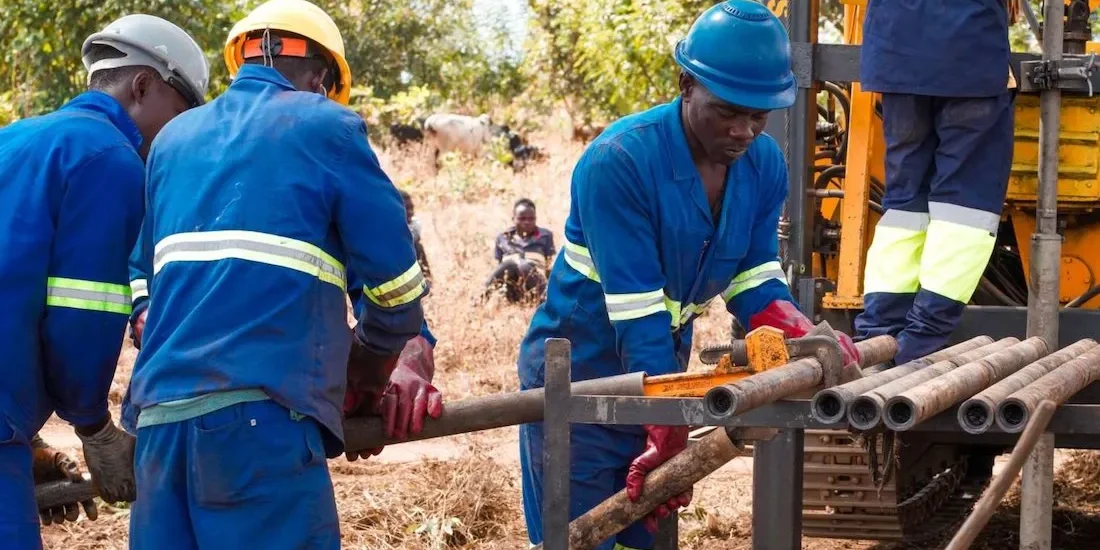
ASX- and AIM-listed Sovereign Metals has released an updated mineral resource estimate (MRE) for its Kasiya Project in Malawi, increasing the combined measured and indicated rutile resources by 38% to 1.65 million tonnes.
The revised MRE achieves the classification standard required for a bankable definitive feasibility study (DFS) and marks the first time the Kasiya deposit has reached the highest-confidence Joint Ore Reserves Committee (JORC) category.
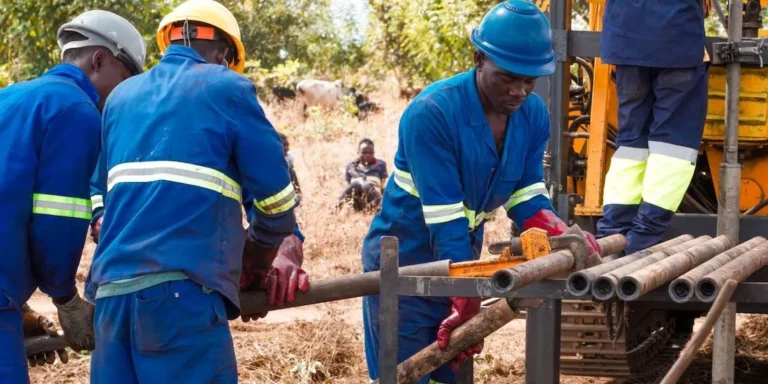
“This significant improvement in resource confidence reflects the extensive infill drilling completed and provides a robust foundation for the upcoming DFS,” said Sovereign MD and CEO Frank Eagar.
He added: “Importantly, Kasiya has achieved a measured resource for the first time, representing at least the first six years of planned operations.”
Key Highlights of the Updated MRE:
- Total rutile resources increased to 2.1 billion tonnes, grading 0.96% rutile, equating to 20.3 million tonnes of contained rutile.
- Graphite resources also total 2.1 billion tonnes, grading 0.95% total graphitic carbon, or 20 million tonnes of contained graphite.
- Measured and indicated rutile alone grew by 32% to 16.1 million tonnes, from 1.6 billion tonnes grading 0.98% rutile.
Eagar emphasised that the first-ever measured status underscores both the quality of the geological dataset and the exceptional nature of the Kasiya deposit.
“The rigour of the updated resource estimation gives our strategic and commercial partners confidence in the resource base underpinning the potential mine schedule.
Kasiya remains unmatched globally as a source of natural rutile, and this MRE update reinforces its potential as a long-life, low-cost supplier to critical global supply chains,” he stated.
Natural rutile is a critical mineral essential for titanium metal production in aerospace, defence, and medical applications.
It commands a premium over alternative titanium feedstocks due to higher grade, lower processing costs, and a smaller environmental footprint.
Eagar noted that with little meaningful domestic production of natural rutile in key consuming nations, Kasiya’s scale and quality position it as one of the most strategically important rutile sources outside of current producing regions.
About the Author