Rising Electricity Tariffs Threaten South Africa’s Only Operating Manganese Smelter and Hundreds of Jobs
South Africa’s last remaining manganese smelting operation is facing the risk of closure as escalating electricity costs continue to weigh heavily on energy-intensive industries, raising fresh concerns over job losses and the country’s industrial competitiveness.
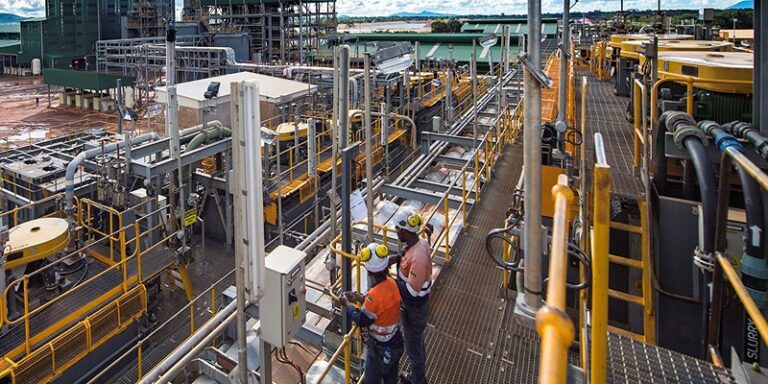
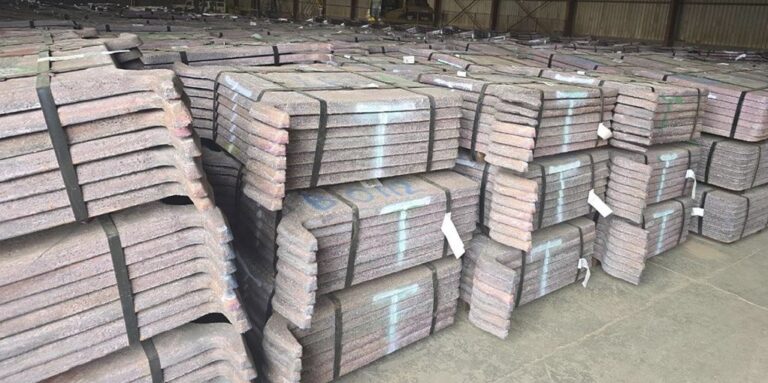
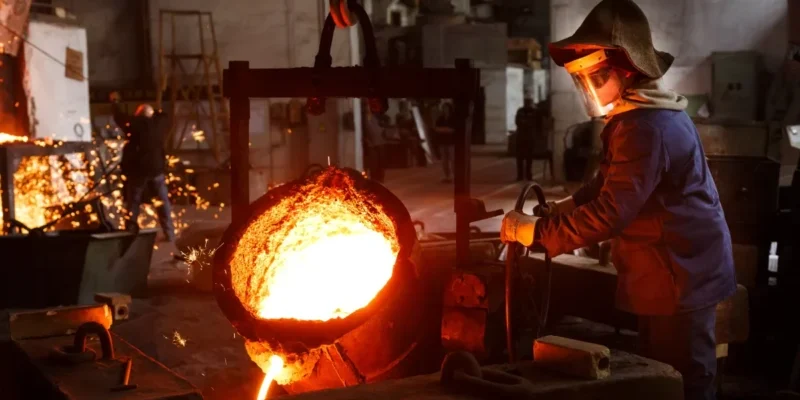
Transalloys, which operates the country’s only functioning manganese smelter, has warned that it may be forced to shut down the facility and retrench hundreds of workers unless electricity tariffs are urgently reduced.
The company’s chief executive, Konstantin Sadovnik, said the smelter has been operating at a loss for approximately three years, largely due to sharply rising power costs.
Electricity represents the company’s single largest cost component, accounting for nearly forty percent of total operating expenses. Sadovnik noted that Transalloys is struggling to compete with international smelters, where electricity prices are significantly lower than South Africa’s regulated tariffs.
The potential shutdown carries serious social and economic implications. Transalloys plans to cut around six hundred direct jobs if the plant closes, a move that could affect thousands of livelihoods in the broader eMalahleni municipality where the smelter is located.
According to the company, the smelter could be temporarily mothballed or permanently closed, depending on whether manganese producers are included in a proposed electricity pricing framework currently under discussion between the government and the ferrochrome industry.
Management expects clarity within the coming months and has warned that restructuring could begin as early as February if no solution is reached.
South Africa’s electricity challenges stem from years of underinvestment in power generation, operational failures at the state-owned utility Eskom, and rising costs linked to debt servicing and maintenance.
Although load-shedding has eased in recent months, electricity tariffs have continued to rise, placing sustained pressure on energy-intensive sectors.
Eskom also faces structural risks related to unpaid municipal debt. Local governments account for a significant share of electricity sales, yet many municipalities are financially distressed and in arrears, exacerbating the utility’s cash-flow constraints and increasing the risk of renewed instability.
Analysts caution that without stronger enforcement measures or debt relief mechanisms, efforts to stabilize tariffs and support industrial users may struggle to gain traction. High electricity prices have already contributed to the closure of more than a dozen smelters, resulting in substantial job losses.
The strain is not limited to mining. Manufacturers across the automotive, chemical, foundry, and agro-processing sectors are scaling back operations in response to rising energy costs and concerns over supply reliability.
The energy regulator is currently reviewing interim tariff adjustments for ferrochrome smelters, while the government is working on longer-term reforms aimed at improving the competitiveness of industrial electricity pricing.
The outcome of these discussions will be critical not only for manganese smelting but for South Africa’s broader manufacturing base.
South Africa remains the world’s largest producer of manganese, a critical input for steelmaking. However, limited domestic smelting capacity means that most of the mineral is exported in raw form, undermining efforts to promote local value addition and sustain industrial employment.
About the Author