Cobalt Prices Surge Amid Congo Export Limits Battery Makers Eye Alternatives
Battery manufacturers are likely to speed up their move away from cobalt if prices continue to climb, driven by export restrictions in the Democratic Republic of Congo (DRC), according to an executive at the world’s largest cobalt miner.
“I think it’s at the upper end of what people will tolerate without being forced to switch,” said Kenny Ives, Chief Commercial Officer at CMOC Group, in an interview with Bloomberg News in London on Tuesday.
Congo Tightens Grip on Cobalt Exports
The DRC, which produces about three-quarters of the world’s cobalt supply—used in electric vehicle (EV) batteries, aerospace components, and defense technologies—has introduced strict controls to curb oversupply. An eight-month export suspension will soon give way to a quota system starting later this week.
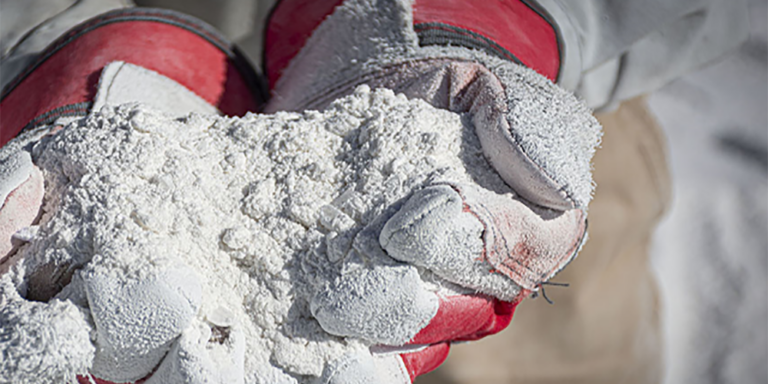
The ban, first announced in February, came after benchmark cobalt prices plunged below $10 per pound, their lowest in 21 years aside from a brief dip in 2015, according to Fastmarkets data. Since then, cobalt prices have doubled, while cobalt hydroxide—the country’s main export product—has more than tripled in value.
Even with the sharp rebound, cobalt prices remain less than half their peak levels from 2018 and 2022.
Export Quotas Slash Supply
Under the new quotas, Congo will permit just over 18,000 tons of cobalt exports for the remainder of this year, and a maximum of 96,600 tons annually in 2026 and 2027. These limits are less than half of the country’s 2024 production levels.
The new rules hit CMOC Group particularly hard. In 2026, the Chinese mining giant will be allowed to export only about 27% of the 114,000 tons of cobalt it produced in 2024 from its two Congolese mines.
“If you starve the downstream of cobalt units, clearly there are different chemistry options, and the Chinese and others will switch,” Ives said, adding that he expects Congo to review the quotas “on a semi-regular or regular basis.”
Most Chinese EV makers have already transitioned to lithium iron phosphate (LFP) battery technology, which eliminates the need for cobalt altogether.
Copper Still Drives Production
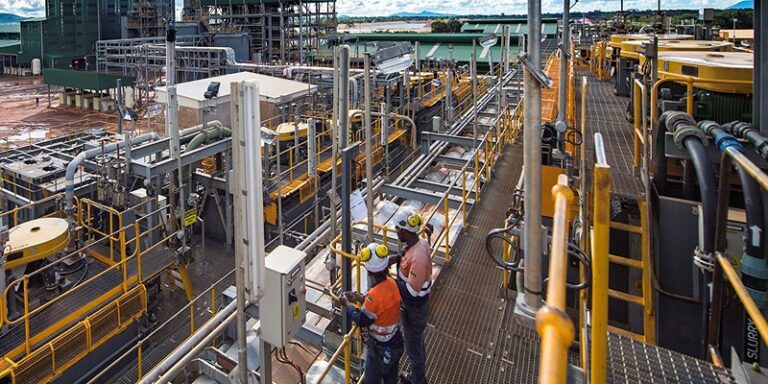
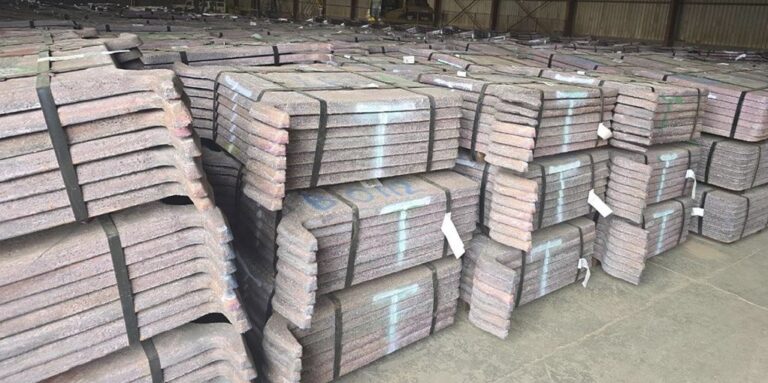
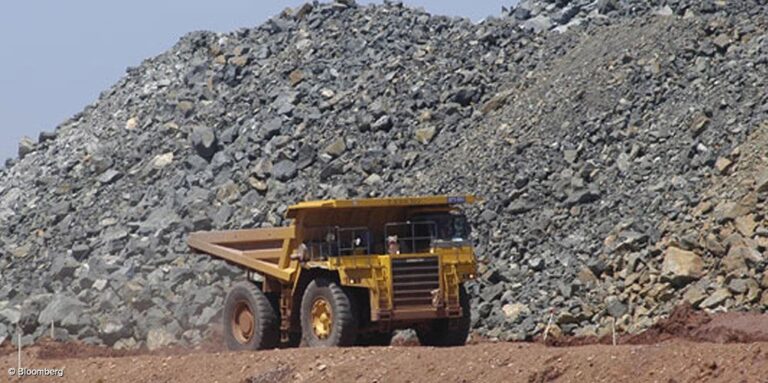
Despite export limits, CMOC plans to maintain or even increase cobalt output, as the metal is mined alongside copper—a commodity nearing record highs and expected to see strong demand growth in coming years.
CMOC’s copper production from its Congolese mines is projected to reach 700,000 tons in 2025, about 8% higher than last year. The company expects continued growth “over the next three, four, or five years,” said Ives, who also serves as CEO of CMOC’s trading arm, IXM. “That produces a lot of cobalt,” he added.
Weak Demand Adds Pressure
According to Ives, the cobalt market was already “saturated” when Congo imposed its export ban—not just due to CMOC’s rapid production ramp-up but also because global demand growth for the metal has been “very underwhelming for years.”
About the Author