Rio Tinto Launches Battery-Swap Electric Haul Truck Trial in Mongolia to Cut Emissions
Rio Tinto has begun its first battery-swap electric haul truck trial at the Oyu Tolgoi copper mine in Mongolia, in partnership with China’s State Power Investment Corporation (SPIC) Qiyuan.
The initiative is part of the miner’s strategy to test cost-effective technologies aimed at reducing emissions from its haulage fleet, a major contributor to its Scope 1 and 2 carbon footprint.
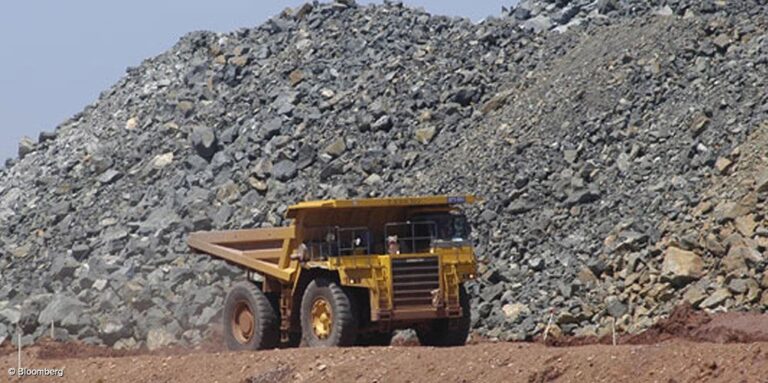
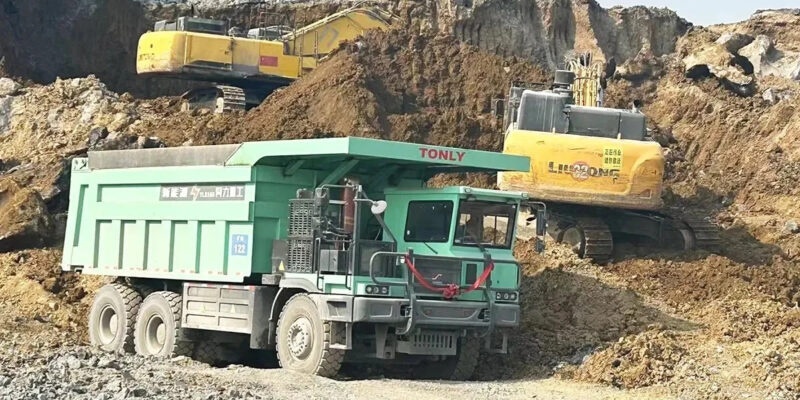
Over the past year, Rio Tinto and SPIC Qiyuan have deployed eight 91-ton Tonly trucks with 13 batteries, each with 800 kWh capacity, along with a battery swapping station, a static charger, and supporting infrastructure.
The trucks will be used in tailings dam construction and topsoil transport, giving Rio Tinto practical experience operating a full battery-electric haulage and swap-charging system.
Fast Battery Swaps for Improved Efficiency
Battery-swap technology allows a depleted battery to be replaced in under seven minutes, avoiding downtime associated with fixed charging facilities and enhancing fleet efficiency.
“The launch of this trial with SPIC Qiyuan is an important milestone, harnessing China’s widely used battery swap technology to support Rio Tinto’s drive to accelerate low-carbon innovation,” said Ben Woffenden, GM for Global Equipment and Diesel Transition at Rio Tinto.
“Working with partners such as SPIC Qiyuan and Tonly allows Rio Tinto to rapidly adopt proven, cost-effective innovations that support operational excellence and decarbonisation goals.”
Next Steps and Fleet Evaluation
The trial will run through 2026, with insights guiding Rio Tinto’s evaluation of battery-swap technology for its wider fleet of 700 haul trucks.
Around 100 trucks in the small-to-medium payload category (100–200 tonnes) are considered suitable for current-generation battery-swap systems.
This initiative underscores Rio Tinto’s commitment to reducing carbon emissions while maintaining operational efficiency and exploring innovative, low-emission haulage solutions across its global operations.
About the Author