New Mercuria–Gécamines Joint Venture Aims to Boost Copper and Cobalt Exports from the DRC
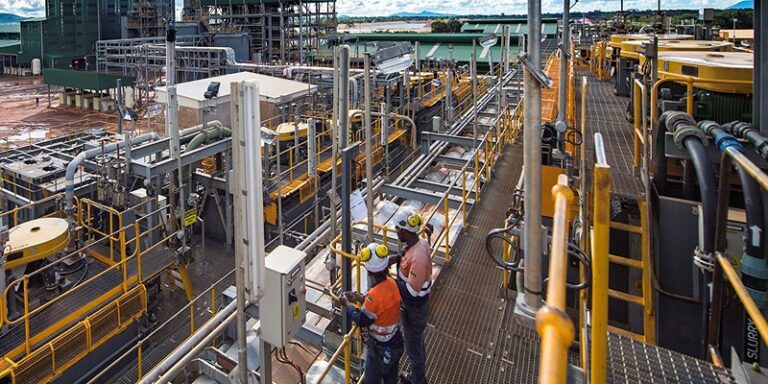
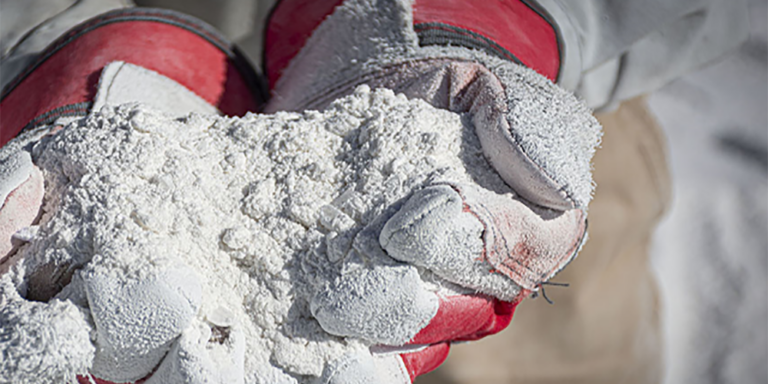
Mercuria Energy Trading has launched a metals-trading joint venture with Gécamines, the Democratic Republic of Congo’s state-owned mining company, to market copper and cobalt acquired through Gécamines’ equity stakes in local mining projects.
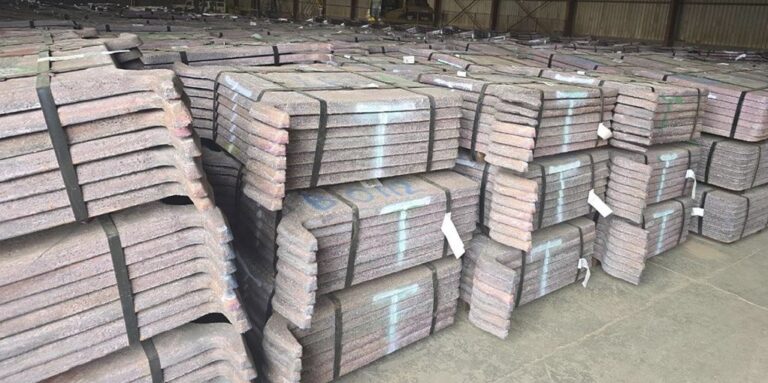
According to Kostas Bintas, head of metals at Mercuria Energy Group, the venture could eventually market more than 500,000 tons of copper cathodes per year, in addition to substantial volumes of cobalt.
The agreement coincides with recent cooperation between the United States and the DRC. The U.S. International Development Finance Corporation has signed a letter of intent to explore a possible financial stake in the venture, which would grant U.S. end-users a right of first refusal on part of the output.
The initiative also comes at a time of increased global competition for copper supplies, amid market shortages and strong demand linked to industrial and energy-transition needs.
Prices on the London Metal Exchange have reached record levels, and traders have secured significant premiums by shipping copper to the United States.
Since hiring Bintas from Trafigura last year, Mercuria has rapidly expanded its metals division. The company has already traded 1.2 million tons of copper cathodes globally in 2025.
The new venture is expected to make Mercuria the largest exporter of copper cathodes from Africa’s Copperbelt region in 2026.
Mercuria has also signed a similar arrangement in Zambia, the continent’s other major copper producer.
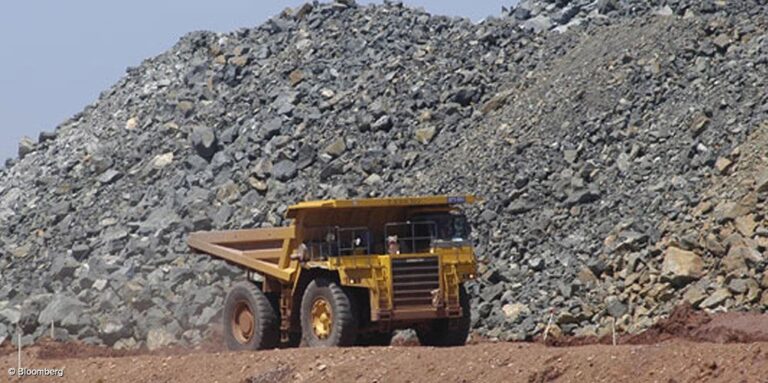
The growth of several major mining projects has positioned the DRC as the world’s second-largest copper producer after Chile.
Through its stakes in mines operated by international companies including Glencore and China’s CMOC Group, Gécamines holds offtake rights to significant volumes of copper and cobalt.
Mercuria will provide operational support, hedging services, and up to $1 billion in various forms of financing. According to both companies, the joint venture will allow Gécamines to play a more active commercial role—particularly in price negotiations and destination of exports—strengthening national control over strategic mineral flows.
About the Author