DR Congo Signs Strategic Mining Deal with U.S. based Company Kobold Metals to Boost Lithium Exploration and AI-Driven Geological Mapping
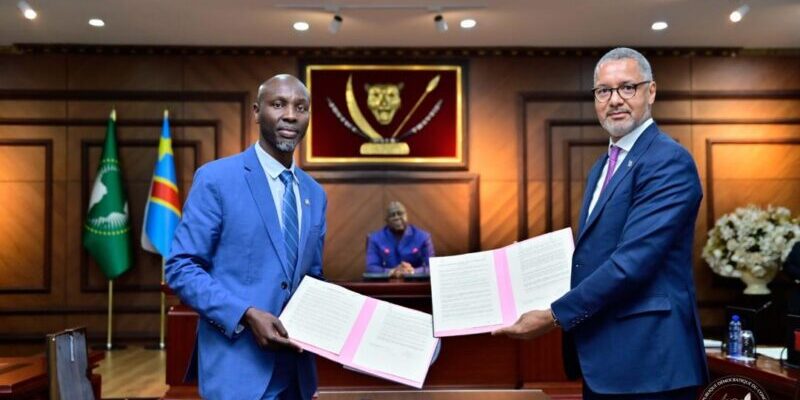
On Thursday, at the African Union City in Kinshasa, Democratic Republic of the Congo (DRC) President Félix Tshisekedi presided over the signing of a major agreement between the Congolese government and U.S.-based company Kobold Metals.
The agreement marks a significant step toward American investment in the country’s mining sector.
The document was signed by Congolese Minister of Mines, Kizito Pakabomba, and Benjamin Katabuka, the Managing Director of Kobold Metals in the DRC.
This strategic partnership is aimed at unlocking investment opportunities and advancing technological innovation in mineral exploration.
Speaking at the event, Mr. Katabuka highlighted that the agreement falls under the broader cooperation framework between the United States and the DRC to promote peace and prosperity.
“We hope this door opened by the Congolese government to American investors will lead to further U.S. engagement in the DRC,” he stated.
According to Katabuka, the partnership will focus on three key areas:
Digitizing Geological Data: Kobold Metals will invest in converting the DRC’s extensive but underutilized geological data into digital format.
Advanced Exploration Technologies: The company plans to use cutting-edge tools, including artificial intelligence, for mineral exploration.
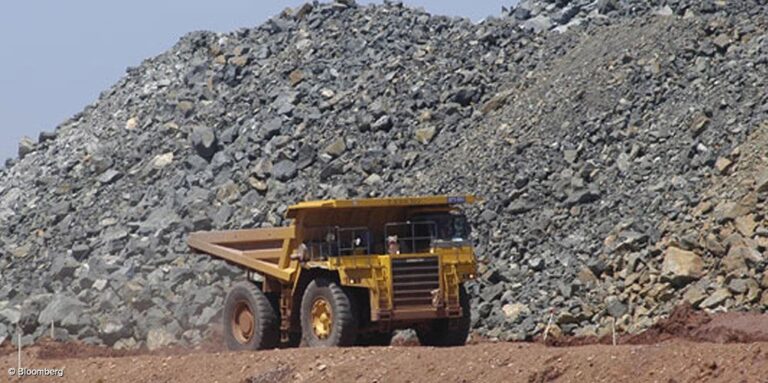
Lithium Development: A major focus will be the development of a lithium mining project in Manono, located in Tanganyika Province.
Katabuka emphasized that the DRC holds vast geological data that has yet to be harnessed for national development.
Kobold Metals aims to fund the digitization of this data to make it more accessible, thereby attracting further investment into the mining industry.
As part of its long-term vision, Kobold Metals also intends to apply for large-scale exploration permits using American technology.
In closing, Mr. Katabuka reiterated Kobold Metals’ commitment to local development. “Our goal is to employ more Congolese citizens, provide training, ensure fair compensation, and contribute to the construction of essential infrastructure to improve the well-being of local communities,” he said.
About the Author