Jupiter Mines Posts $16.2m Half-Year Profit as Tshipi Manganese Mine Cuts Costs and Boosts Cash Flow
ASX-listed Jupiter Mines has reported continued strong cash generation from its investment in the Tshipi manganese mine, located in the Kalahari Manganese Field (KMF) in South Africa’s Northern Cape.
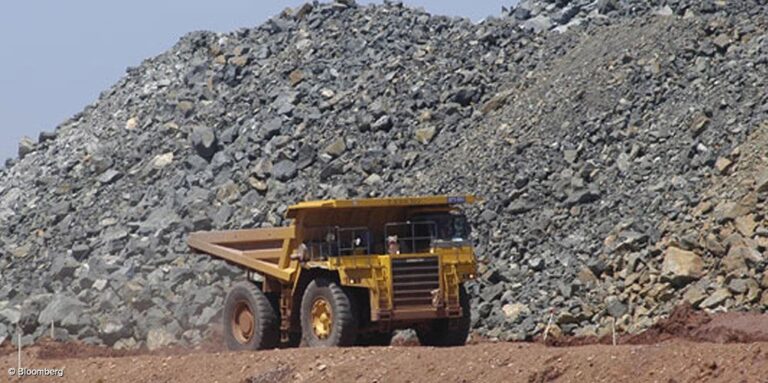
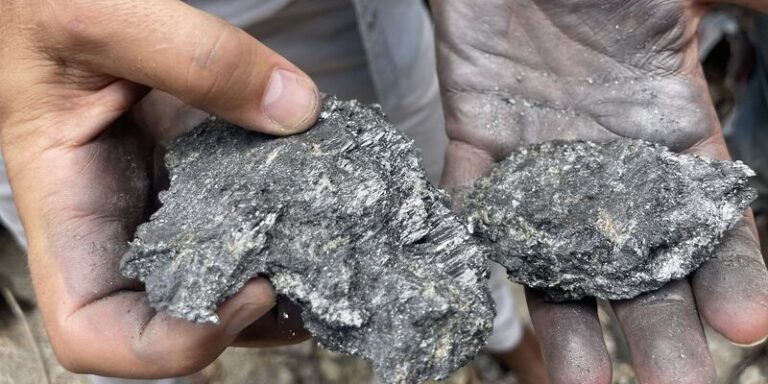
For the half-year ended 31 December 2025, Tshipi produced 1.7 million tonnes of manganese ore, including 1.4 million tonnes of high-grade material. Production remains on track to meet full-year guidance.
Production Strategy and Market Conditions
At the start of financial year 2026, Tshipi built low-grade ore stockpiles while production schedules allowed. As manganese market conditions strengthened in the second quarter, the mine shifted its focus toward prioritising high-grade output to capture improved pricing.
Tshipi recorded a net profit after tax of R369 million (approximately $32.4 million) for the six-month period, marginally higher than the previous half-year. Higher manganese prices offset lower mining and production volumes.
On a cost basis, Tshipi reduced its free-on-board (FOB) production cost to $2.25 per dry metric tonne unit (dmtu), down from $2.36 in the comparative period.
The mine closed the half-year with cash holdings of R1.5 billion (around $137.3 million).
Jupiter Financial Performance
Jupiter reported a consolidated half-year profit after tax of $16.19 million, including $16.17 million as its share of Tshipi’s net profit. As at 31 December 2025, Jupiter held $11.43 million in cash.
The Tshipi board is expected to determine its interim dividend at a meeting scheduled for 12 March. The timing reflects the pending completion of the transaction through which Exxaro Resources will become Jupiter’s co-investor and joint venture partner in Tshipi, with completion scheduled for 27 February.
Given the ownership transition, shareholders agreed that the interim dividend for the 2026 half-year will be declared after Exxaro formally joins the partnership, ensuring both Jupiter and Exxaro participate in the distribution.
Strategic and Operational Progress
Jupiter reported steady progress on its five-year strategy, with a continued focus on operational efficiency at Tshipi. Logistics remain the mine’s largest cost component, prompting efforts to improve capacity and flexibility.
During the reporting period, Tshipi secured a milestone 10-year Manganese Export Capacity Allocation Agreement 3 with state-owned Transnet, while also pursuing additional rail capacity opportunities. These initiatives are aimed at enhancing export reliability and cost competitiveness.
The company is also reviewing Tshipi’s long-term sustainable production rate through updated mine planning. Any future output increases will be aligned with market conditions to ensure profitable and sustainable growth.
Jupiter continues to evaluate consolidation opportunities within the KMF. The entry of Exxaro as a manganese investor is viewed as strategically aligned with Jupiter’s regional consolidation ambitions.
Sustainability and Battery-Grade Manganese
On the sustainability front, Tshipi achieved Level 1 broad-based black economic empowerment (B-BBEE) status during the period, becoming only the second miner in the KMF to attain this rating.
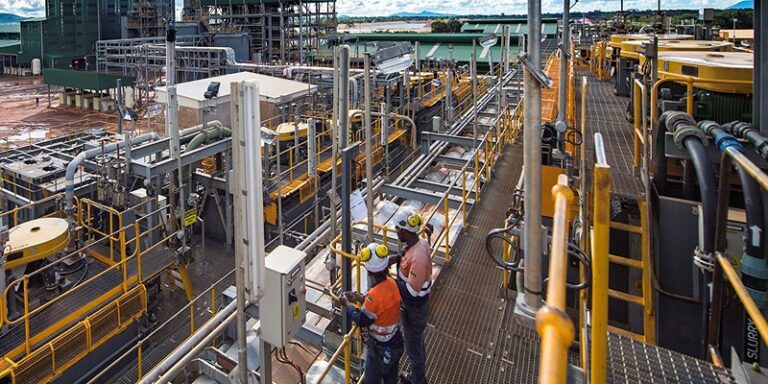
Jupiter is also advancing studies into producing battery-grade manganese from low-grade ore. The commissioning of a high-purity manganese sulphate monohydrate (HPMSM) pilot plant in financial year 2025 has enabled further flowsheet optimisation, product validation, and customer engagement.
The company said it remains disciplined in progressing this opportunity, with a focus on de-risking volume and pricing assumptions before advancing to the next study phase.
Overall, Jupiter stated that it continues to execute its strategy with flexibility and discipline, positioning the company to respond effectively to evolving market conditions while delivering long-term shareholder value.
About the Author