Jupiter Mines Targets Kalahari Manganese Consolidation as Tshipi Mine Delivers Strong Results
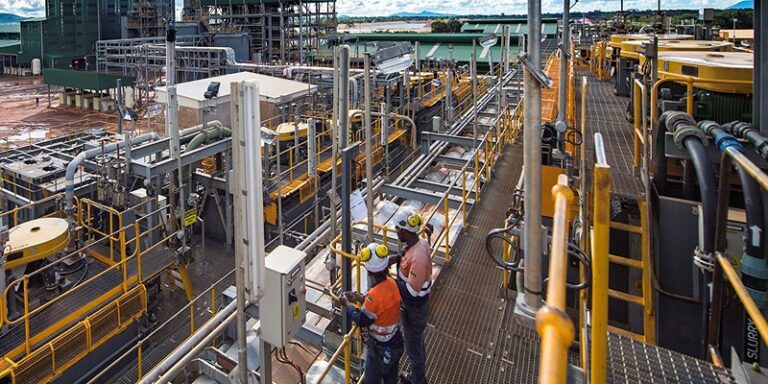
ASX-listed Jupiter Mines is actively exploring consolidation opportunities in South Africa’s Kalahari manganese field, one of the richest manganese-producing regions in the world.
The move aims to unlock further value from its flagship asset, the Tshipi manganese mine.
Speaking at the Diggers and Dealers Conference in Kalgoorlie, Australia, Managing Director Brad Rogers described the Kalahari as a “really unique” opportunity for consolidation, thanks to the close proximity of several of the world’s top manganese producers.
“You’ve got five of the top ten producing assets in the world today, and all of them with among the longest remaining mine lives,” Rogers noted, referencing an aerial photo of the region.
“When you have that situation, the opportunity to combine ownership and drive consolidation value becomes obvious. That’s part of Jupiter’s strategic focus.”
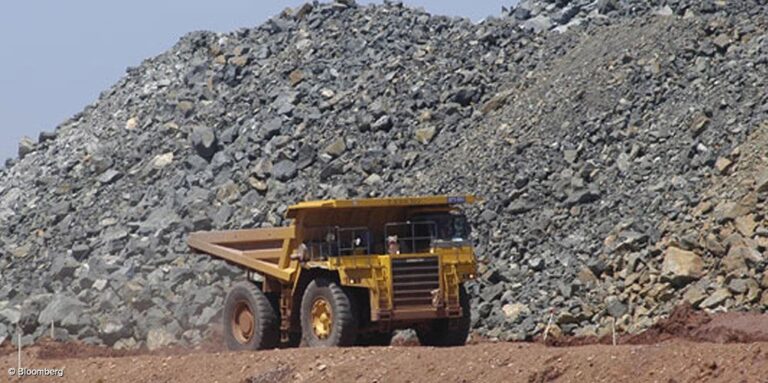
Jupiter holds a 49.9% stake in Tshipi, one of the world’s largest and lowest-cost manganese mines, located in South Africa’s Northern Cape.
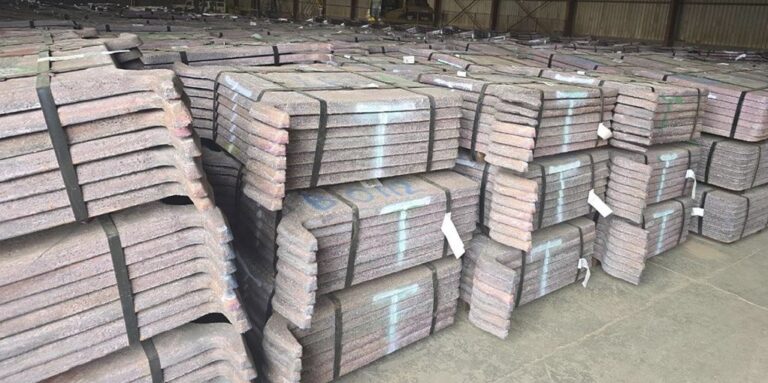
The mine produced 3.6 million tonnes of manganese in the financial year ended June 30, exceeding its average of 3.4 million tonnes. It is expected to be the third-largest global producer this year.
With a mine life of over 100 years, consistent production, and low operating costs, Rogers described Tshipi as an “established, successful story” that provides a solid foundation for future growth.
A key development supporting Jupiter’s consolidation ambitions is the entrance of South African diversified miner Exxaro Resources into the manganese sector. Exxaro is acquiring:
The remaining 50.1% stake in Tshipi, and
A 20% shareholding in Jupiter Mines, purchased at a premium to market value.
“Exxaro’s strategy is well aligned with ours,” said Rogers. “We are very supportive of and excited by this development.”
Future Growth: Logistics, Battery Metals, and Market Positioning
Beyond consolidation, Jupiter is focused on:
Improving logistics at Tshipi to further reduce costs
Expanding its commodity exposure
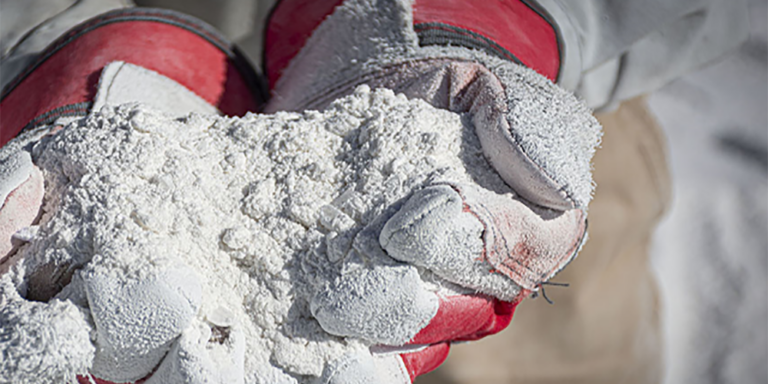
Exploring opportunities in battery-grade manganese, targeting the energy storage and electric vehicle markets
Tshipi already produces high-grade ore suitable for beneficiation into battery-grade material, and Jupiter holds access to stockpiled ore through its marketing agreements.
The company is currently assessing its potential as a future supplier to the fast-growing clean energy sector.
Despite muted demand from China’s steel sector, Jupiter remains cash-positive and continues to pay dividends, thanks to Tshipi’s low-cost production. The mine generates free cash flow even during downturns in the manganese price cycle.
“Five mines globally make up 44% of supply,” Rogers added. “Any disruption in that supply significantly moves the price—and Jupiter’s share price responds accordingly, offering real upside exposure.”
Since its listing, Jupiter has returned nearly A$410 million to shareholders in dividends—equal to its current market capitalization. Another dividend is expected to be declared on August 29.
About the Author