Congo Cobalt Export Quotas Delayed: Impact on Global Supply and EV Industry
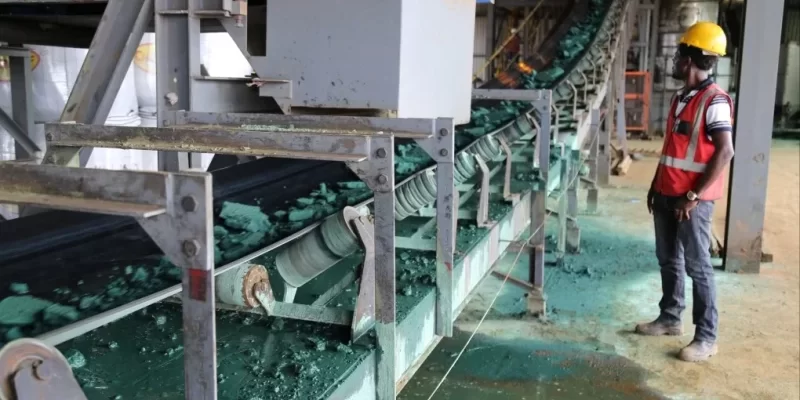
Cobalt producers in the Democratic Republic of Congo (DRC) are still waiting for government approval to resume exports under a quota system introduced on October 16.
The system was expected to restart shipments immediately, according to four industry sources who spoke to Reuters.
The new quota system replaces a months-long export suspension that disrupted global supply chains and unsettled electric vehicle manufacturers, particularly in China, the world’s largest cobalt consumer.
The DRC accounts for more than 70% of global cobalt production and temporarily froze exports to tighten supply and drive up prices.
Under the new framework, companies must apply for monthly export quotas from the state regulator, the Strategic Mineral Substances Market Regulation and Control Authority (ARECOMS).
Producers are required to prepay royalties based on assigned volumes and current cobalt prices before shipments can be made.
Export approval also requires companies to validate quotas and product quality, obtain traceability and compliance certificates, and allow ARECOMS oversight during sampling.
For October and November, prepayments are combined to activate quotas for both months, the regulator said.
While quotas have been allocated, industry sources said companies are hoping for approvals by the end of October, though delays are possible. The sources requested anonymity because they were not authorized to speak publicly.
The government previously indicated there would be no delays. ARECOMS and the DRC’s Ministry of Mines did not immediately respond to requests for comment.
It is unclear whether all producers have submitted applications. Glencore, the world’s second-largest cobalt producer, declined to comment, while top producer CMOC did not immediately respond.
The quota system operates on a “use-it-or-lose-it” basis. ARECOMS has set export limits at 18,125 metric tons for the fourth quarter of 2025 and 77,400 tons for 2026. Unused volumes can be rolled over within 2025 but will expire at year-end. From 2026 onward, quotas will reset monthly and cannot be carried forward.
President Félix Tshisekedi has stated that the export freeze helped drive a 92% rebound in cobalt prices since March. He described the quota system as “a real lever to influence this strategic market” after years of what he called “predatory strategies.”
Glencore has expressed support for the new system, while CMOC has opposed it. CMOC’s Tenke Fungurume and Kisanfu mines received the largest allocations—6,650 tons for Q4 2025 and 31,920 tons for 2026.
Glencore’s Kamoto Copper Company and Mutanda Mining were allocated 3,925 tons and 18,840 tons, respectively. ARECOMS retained a 10% “strategic allocation.”
Cobalt prices on COMEX have surged 90% since hitting a nine-year low of $10 per pound in February, when the export freeze was first announced.
About the Author