China Issues Advisory as Zimbabwe Restricts Lithium and Raw Mineral Exports
The Embassy of China in Zimbabwe has issued a fresh advisory to its nationals and companies operating in Zimbabwe following new government measures restricting the export of raw minerals, including lithium concentrates.
In a notice published on Thursday, the embassy urged Chinese investors to strengthen risk awareness and ensure full compliance with Zimbabwe’s evolving regulatory framework, particularly in lithium exploration and mining.
The advisory called on firms to conduct “comprehensive and in-depth” assessments of local policies and legal requirements before committing capital, warning that abrupt policy changes could lead to significant financial losses.
“In the course of production and business operations in Zimbabwe, Chinese enterprises and nationals shall strictly abide by local laws and regulations, adopt proactive risk prevention and control measures, and protect their legitimate rights and interests through legal channels,” the statement said.
The warning follows Zimbabwe’s decision to suspend exports of unprocessed minerals and tighten regulations in sectors reserved for local participation.
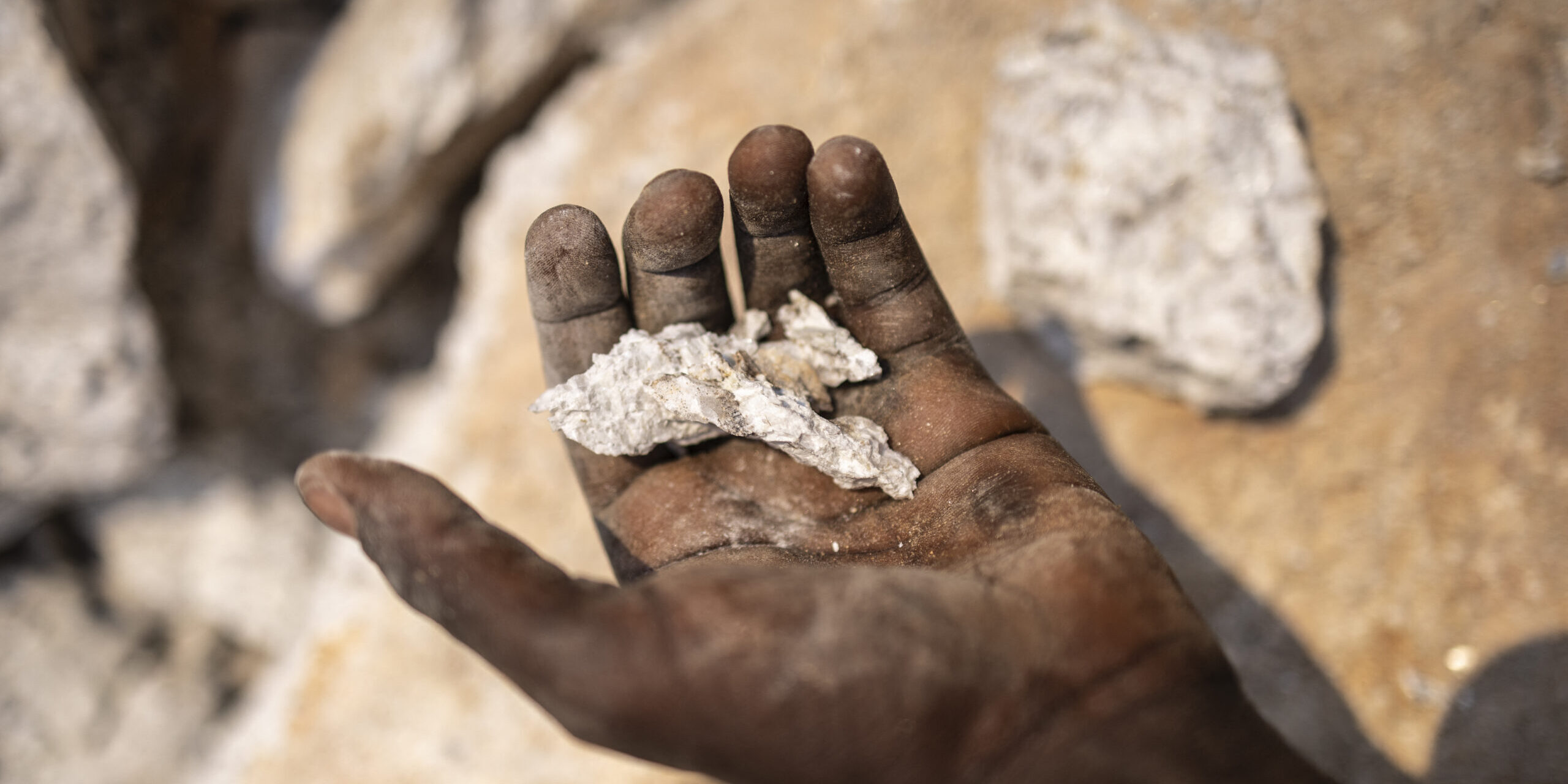
This policy marks a significant shift in the country’s mining strategy, particularly in lithium a critical mineral used in electric vehicle batteries and one of Zimbabwe’s fastest-growing export segments.
China-Linked Investments Face Increased Scrutiny
China has played a dominant role in Zimbabwe’s mining sector in recent years, with several Chinese firms heavily invested in lithium, gold, and other mineral extraction projects.
These investments have accelerated production, helping position Zimbabwe as an emerging supplier in global battery supply chains.
However, much of the activity has focused on exporting raw or minimally processed materials.
Harare’s latest policy move reflects a broader trend across resource-rich African nations seeking to retain more value from their natural resources.
By restricting raw mineral exports, Zimbabwe aims to promote domestic processing, support industrialisation, and increase export revenues from higher-value products.
The policy is also intended to generate employment and reduce the long-standing imbalance of exporting unrefined resources while importing finished goods at higher costs.
For Chinese firms, the new regulatory environment presents both risks and opportunities. Existing business models often centred on rapid extraction and export may face disruption.
However, companies that invest in local processing facilities could secure longer-term access to Zimbabwe’s mineral resources.
The embassy’s advisory underscores rising uncertainty for foreign investors in Africa’s extractive industries, where governments are increasingly revisiting policies and contracts.
As global competition for critical minerals intensifies, countries such as Zimbabwe are asserting greater control over their resources even at the risk of short-term tensions with key partners like China.
About the Author