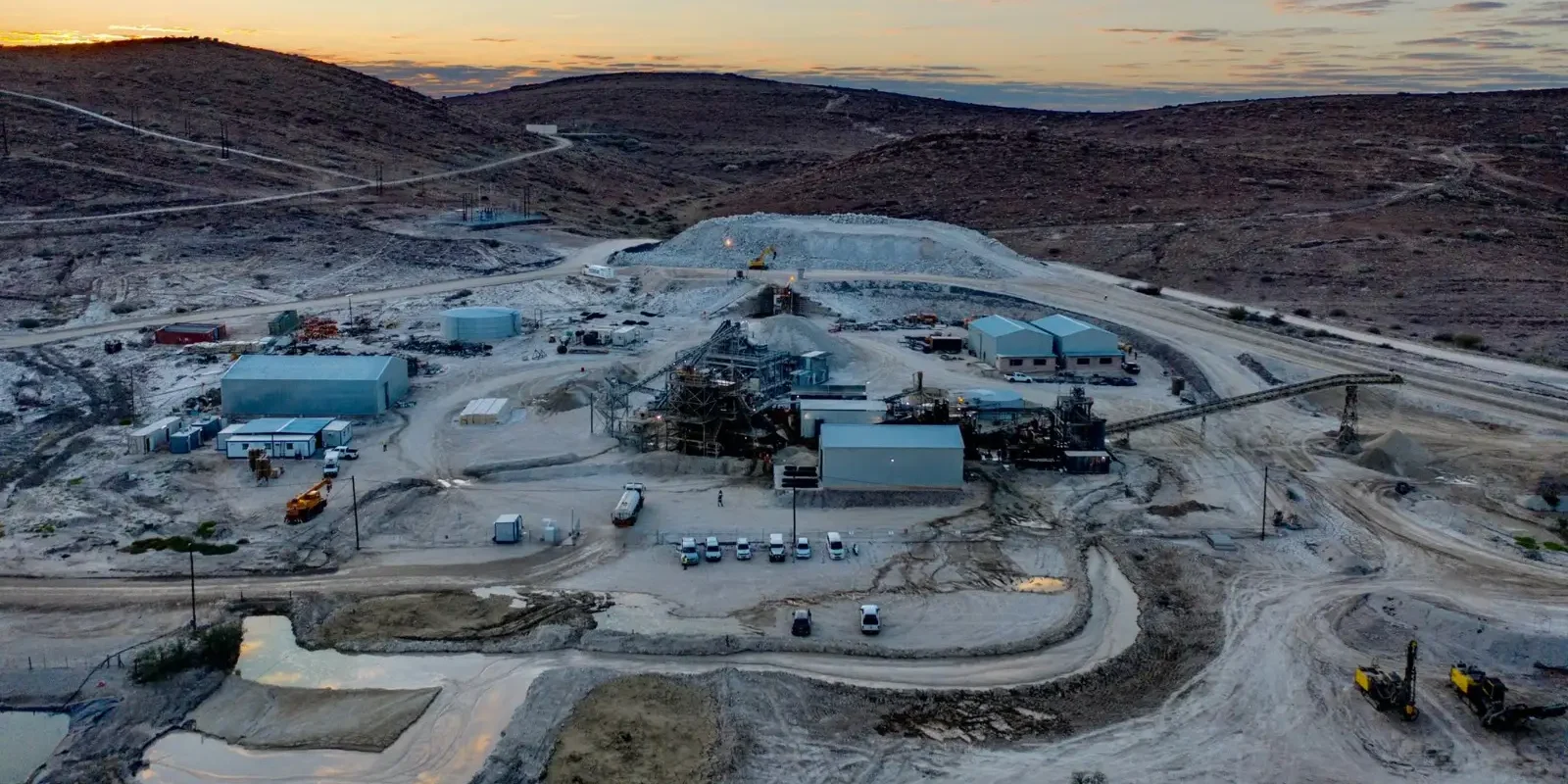
Andrada Mining Identifies Lithium Grades Above 4% Li₂O at Lithium Ridge, Positioning Namibia as Global Lithium Contender
Andrada Mining has reported lithium oxide grades exceeding 4% Li₂O, with peak values approaching 4.7% Li₂O, at its Lithium Ridge project in Namibia, placing the asset among the world’s highest-grade hard-rock lithium systems.
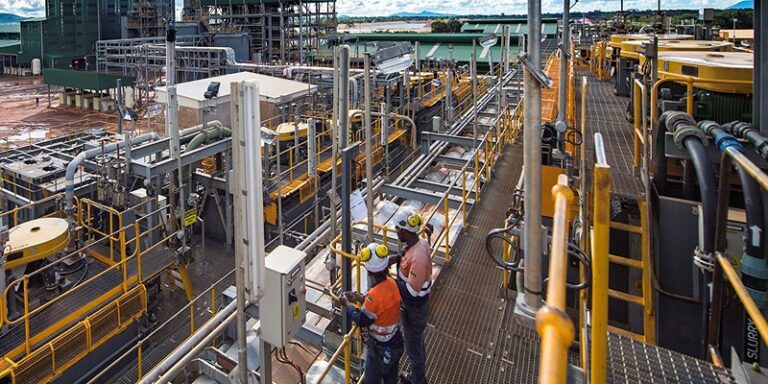
Control of Lithium Ridge stems from Andrada’s majority ownership of Uis Tin Mining Company Limited (UTMC), the Namibian entity holding the licence.
Through a corporate restructuring completed in June 2024, Andrada acquired the minority interests in UTMC previously held by the Small Miners of Uis, consolidating its strategic control over both the Uis and Lithium Ridge licences.
This was achieved via share transfers and local empowerment arrangements rather than a single cash purchase of the Lithium Ridge asset.
Lithium Ridge has not yet been declared as a mineral resource or ore reserve under any public reporting code. However, historical records describe the project as a pegmatite field with results from reverse-circulation drilling up to 2.13% Li₂O and channel sampling up to 2.18% Li₂O over 9.68 metres, alongside notable tin and tantalum values.
Grades at this level are rare. Most producing or near-production spodumene mines operate at average head grades of 1–1.5% Li₂O, with very few consistently exceeding this range. L
ithium Ridge’s reported grades therefore sit well above global norms, inviting comparison with leading lithium assets worldwide.
For context, Australia’s Pilgangoora typically mines ore grading 1.2–1.3% Li₂O, while Liontown’s Kathleen Valley reports reserve grades around 1.4% Li₂O.
In Africa, Zimbabwe’s Arcadia averages 1.1–1.3% Li₂O, and Mali’s Goulamina, before construction, reached approximately 1.5% Li₂O. Even Greenbushes, the global benchmark, delivers reserve grades of roughly 2.0–2.3% Li₂O at scale, not routinely exceeding 3%.
Against this backdrop, Lithium Ridge’s surface grades above 4% Li₂O place it in a rare global category, typically confined to the cores of the highest-grade pegmatite systems.
Within Namibia, Lithium Ridge is exceptional. Lepidico’s Karibib Lithium Project, based on lithium-mica (lepidolite and petalite), averages 0.4–0.6% Li₂O equivalent, while Uis produces lithium as a by-product of tin mining at grades of roughly 0.7–0.8% Li₂O.
Askari Metals’ Uis Lithium Project reports a JORC resource of about 0.73% Li₂O in spodumene-bearing pegmatites, and other pegmatite prospects across the Erongo and Kunene regions typically return 0.8–1.5% Li₂O.
By comparison, Lithium Ridge’s surface and drill grades above 2% Li₂O, with highs over 4% Li₂O, place it at the top of Namibia’s lithium grade spectrum.
The geological setting reinforces the project’s potential. Lithium Ridge lies within Namibia’s central pegmatite belt, a mining province with over a century of history focused on tin.
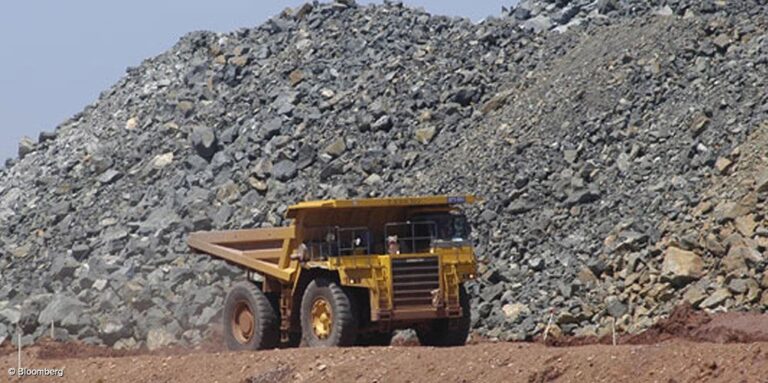
Lithium Ridge was historically an opencast tin mine and hosts lithium-bearing minerals, including spodumene and petalite, with pegmatite intrusions extending from surface.
The licence is located roughly 35 kilometres from Uis, in a district where pegmatites were extensively mined for cassiterite and tantalum, while lithium minerals were largely overlooked due to limited commercial value at the time.
This evolution mirrors other major lithium provinces globally. Greenbushes in Western Australia and Bikita in Zimbabwe both began as tin-focused mining regions before lithium became the primary commodity.
Lithium Ridge follows a similar trajectory: a modern reassessment of a historically worked pegmatite province under today’s high-demand battery-metal market.
The presence of tin and tantalum alongside lithium reinforces Lithium Ridge’s classification as a polymetallic lithium system, aligning it with proven, high-grade pegmatite districts and underscoring its potential as one of Namibia’s flagship lithium projects.
About the Author