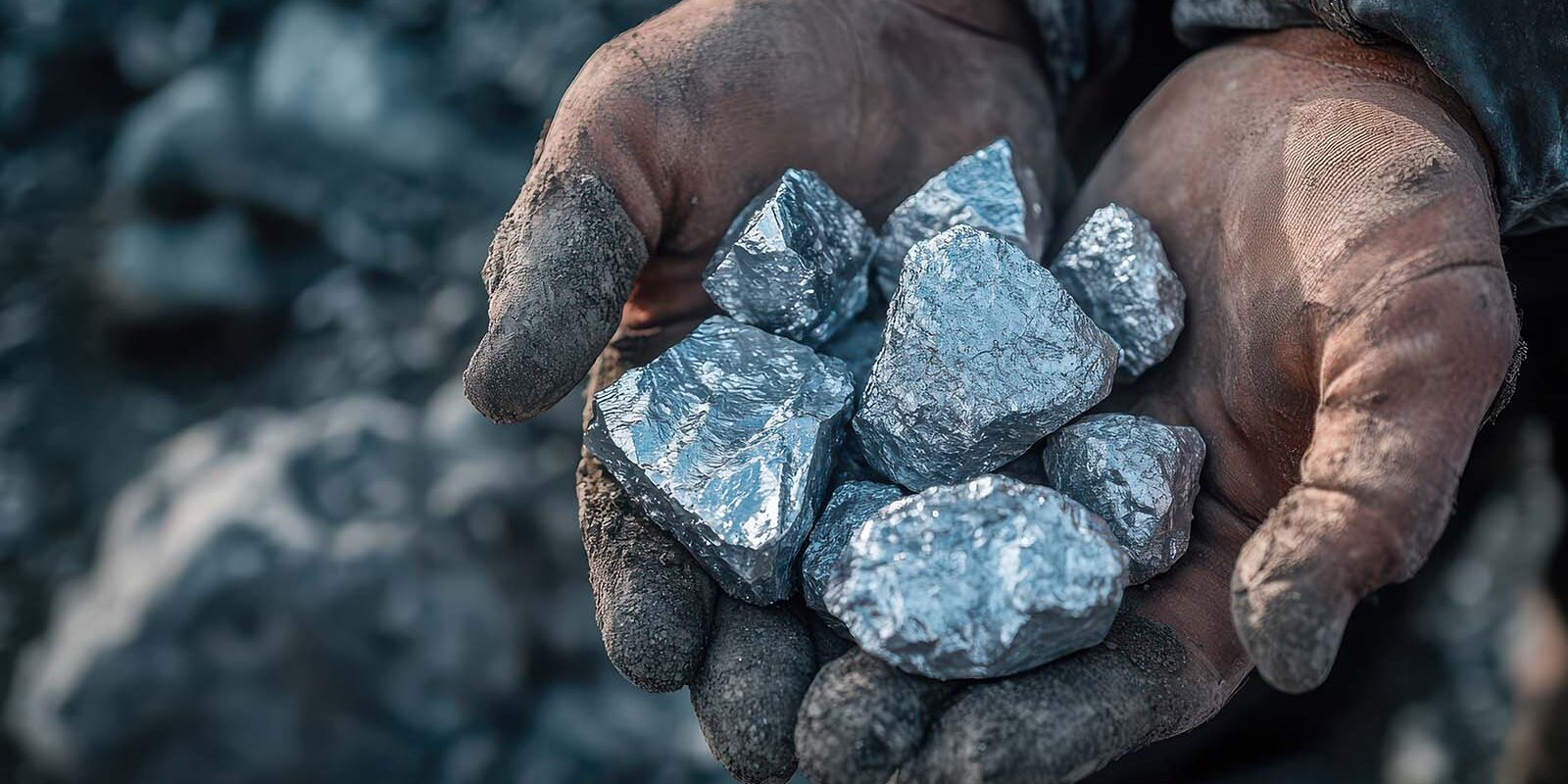
Africa’s Rare Earth and Strategic Minerals Attract U.S. Interest Amid Global Supply Chain Pressures
Africa is increasingly emerging as a strategic source of rare earth elements and critical minerals as the United States seeks to secure alternative supply chains for materials essential to defense technologies and advanced industries.
Rare earth elements are vital components in modern military systems, including missile guidance technologies, fighter aircraft, radar systems, and secure communications networks.
As geopolitical tensions rise and military inventories are replenished, reliable access to these minerals has become a growing strategic priority.
Global Supply Chains Under Pressure
The global market for rare earth elements remains highly concentrated. China currently dominates the processing and export of many rare earth minerals, giving it significant influence over global supply chains for both civilian and defense technologies.
Several critical materials used in advanced military equipment such as dysprosium, terbium, gallium, and germanium are heavily dependent on Chinese processing capabilities.
These minerals play a key role in the production of sophisticated electronics, sensors, and high-performance defense systems.
This concentration has raised concerns in Western countries about supply chain resilience, particularly during periods of geopolitical tension or potential export restrictions.
China also maintains a strong position in the production of other defense-related minerals. For example, the country accounts for a significant share of global antimony production, a metalloid used to strengthen ammunition alloys, manufacture armor-piercing munitions, and support technologies such as night-vision equipment and infrared sensors.
Africa’s Growing Role in the Critical Minerals Market
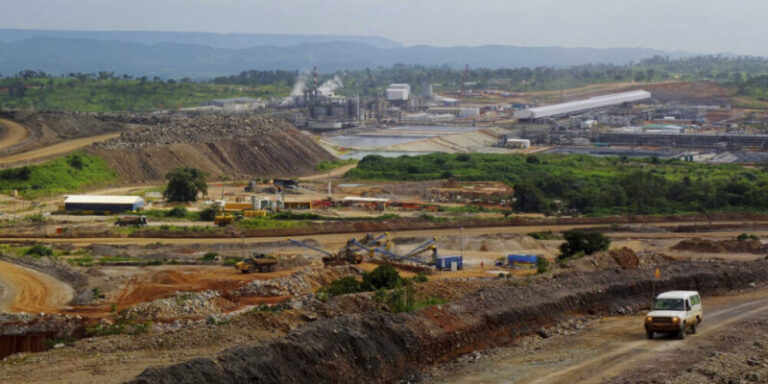
Against this backdrop, Africa’s vast mineral reserves are drawing increasing international attention.
Several African countries possess large deposits of rare earth elements and other strategic minerals essential to the global energy transition, advanced electronics, and defense industries.
The Democratic Republic of the Congo remains the world’s leading producer of cobalt, accounting for more than 70% of global supply. Cobalt is widely used in batteries, aerospace technologies, and certain defense applications.
Meanwhile, Zimbabwe holds some of Africa’s largest lithium reserves, a key material for electric vehicle batteries and energy storage technologies.
Other countries are also advancing projects to develop their critical mineral potential:
- Namibia and Tanzania are developing rare earth mining projects aimed at supplying global markets.
- South Africa possesses major reserves of manganese, platinum-group metals, and antimony used in advanced industrial and defense technologies.
- Botswana has recently reported the discovery of a promising rare earth deposit believed to contain all 15 rare earth elements, along with other strategic minerals such as copper, cobalt, nickel, and vanadium.
If confirmed and developed, the deposit could position Botswana as an emerging supplier of critical minerals to global markets.
Rising Global Competition for African Resources
For more than two decades, China has built a strong presence in Africa’s mining sector through infrastructure financing, mining partnerships, and long-term resource agreements across several countries.
At the same time, the United States and its partners are increasingly seeking to diversify supply chains for strategic minerals and reduce dependence on single-source processing networks.
This growing competition is accelerating investment interest in Africa’s mining sector and highlighting the continent’s role in supplying the raw materials needed for next-generation technologies, renewable energy systems, and advanced defense platforms.
A Strategic Opportunity for African Economies
As global demand for rare earth elements and critical minerals continues to expand, Africa’s resource wealth is becoming increasingly central to the future of global technology, energy transition, and defense manufacturing.
For many African countries, this rising demand presents a significant opportunity to expand mining investment, develop value chains, and strengthen their position in global strategic mineral markets.
SOURCE:businessinsider.com
About the Author