Africa Seeks Stronger Bargaining Power in Global Critical Minerals Supply Chains Ahead of G20
In the lead-up to the G20 Summit hosted in South Africa this month, the UN Development Programme (UNDP), the African Union (AU) and the Open Society Foundations convened a high-level dialogue titled “Turning Mineral Wealth into Negotiating Power: Africa and Critical Minerals Supply Chains” on November 13 in Sandton.
The gathering brought together senior policymakers, regional bodies, development partners and industry thinkers to examine Africa’s strategic position in global critical mineral supply chains and to promote a shared vision for value addition, beneficiation and sustainable development across the continent.
Central to the dialogue was leveraging the G20 platform to build a unified African narrative on critical minerals and to reinforce a global agenda that ensures the continent uses its mineral endowments to drive economic growth and long-term prosperity.
Speakers warned that Africa must guard against the growing trend of “transactional politics” in critical minerals, where powerful entities negotiate individually with smaller states to secure advantageous terms.
The G20, they said, offers an opportunity for Africa to regroup, unify its stance and strengthen its bargaining power rather than negotiating on a fragmented, country-by-country basis.
Participants stressed that true economic development requires structural transformation, with mineral revenues directed toward solving unemployment, poverty and inequality — Africa’s longstanding triple challenge.
With global demand surging for “green minerals” essential to the energy transition, speakers underscored the need for companies to uphold strong environmental, social and governance (ESG) standards.
Civil society was urged to work with forward-looking governments to ensure that resource extraction benefits local communities and avoids past patterns of exploitation by external powers.
A recurring theme was the need to shift the outdated narrative that Africa can only supply raw materials. Instead, speakers highlighted the continent’s opportunity to expand manufacturing capacity and industrialise in a systematic, regionally coordinated manner. Regional integration, they noted, is essential for achieving economies of scale.
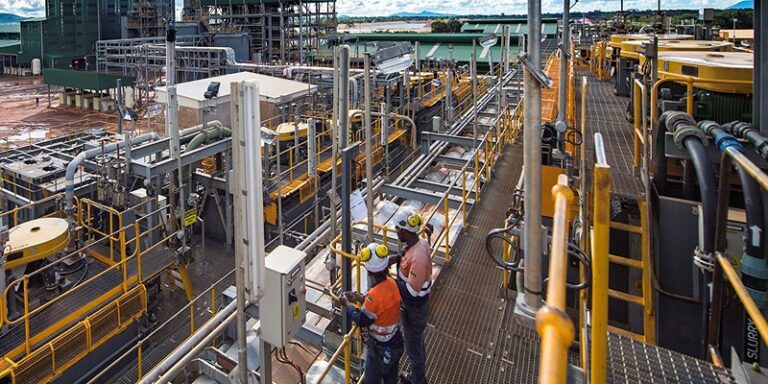
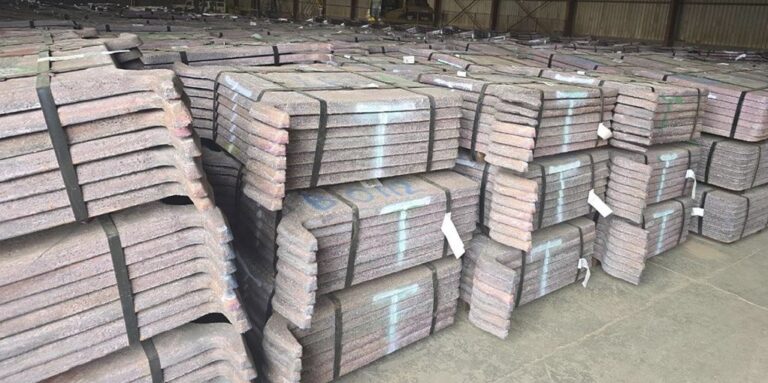
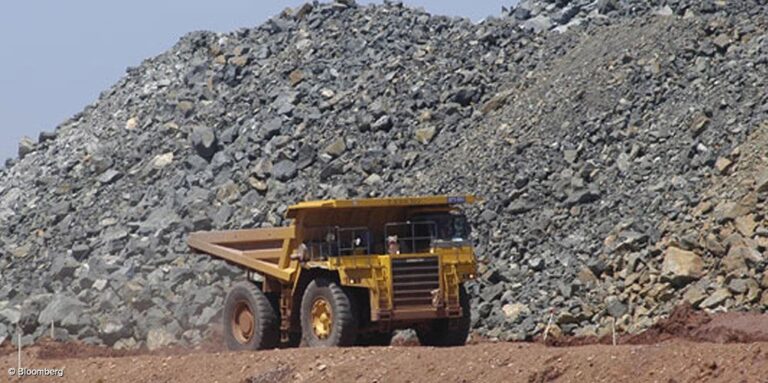
Despite holding vast mineral wealth, Africa continues to lose significant value by exporting raw materials rather than semi-processed or fully manufactured products. Building value chains would not only increase financial returns but also create much-needed jobs.
However, experts advised against viewing value chains solely through the lens of final product manufacturing, which may not always be feasible.
Instead, they called for a holistic, mineral-specific strategy that takes into account each country’s infrastructure and financial realities.
Countries were encouraged to use their supply advantages to set conditions that support local beneficiation and manufacturing, while also working to expand domestic markets for finished products.
Speakers further emphasised the importance of South–South cooperation, unified continental coordination and strong political will to unlock the full economic potential of Africa’s minerals.
Among the actionable proposals was gradually onboarding willing political leaders into a joint industrial policy framework. From there, more countries could be integrated over time, rather than attempting to bring all 54 African states into alignment simultaneously.
About the Author